
Seasickness On A Harbour Evening Cruise: How Rough Is It Really
Most nervous readers are not asking for a medical lecture. They want to know whether a Darwin harbour evening will leave them green, and the honest answer comes from the operators' own words plus the harbour's real conditions.
Short answer
Darwin Harbour Cruises describes the harbour as generally calm and suggests ginger tablets for sea sickness, the only operator statement on the subject among these cruises. All four cruises profiled here stay in the harbour, none publishes a swell or wind figure, and medication questions belong with a pharmacist, not a booking page.
Every harbour town has a version of this conversation. Someone in the group wants the sunset dinner, someone else remembers a rough ferry crossing twenty years ago, and the booking stalls while everyone argues about who will be leaning over a rail by the mainsail. This page is the honest version of that argument for Darwin, built only from what the operators themselves publish and what the climate record actually shows.
Start with the one statement that matters most. Darwin Harbour Cruises, in its own guest FAQ, describes the harbour as generally calm and suggests ginger tablets for sea sickness. That is the only sea-state comment any of these operators makes. Nobody promises flat water, and no honest page should promise it for them. What follows is what you can legitimately lean on when deciding whether to book at all.
How Rough Is Darwin Harbour On A Sunset Cruise?
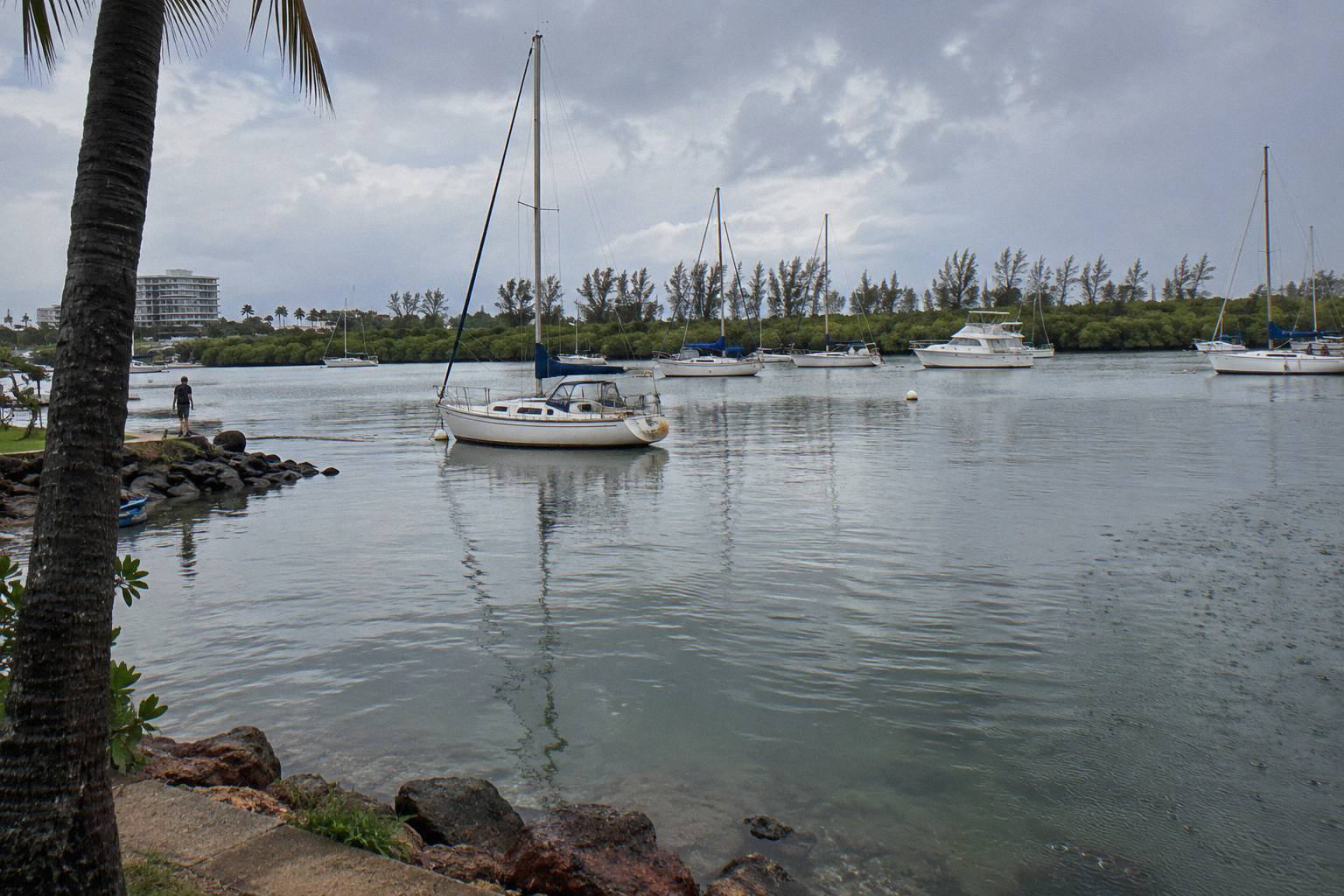
Darwin Harbour is a large, sheltered working harbour rather than open ocean, and Darwin Harbour Cruises states that both of its vessels stay inside it and that the water is generally calm. None of these operators publishes a swell, wind or sea-state figure, so an honest page cannot quote one. Motion is possible, guaranteed flatness is not.
That word "sheltered" deserves unpacking, because it is the structural reason nervous guests book harbour cruises in the first place. These dinner cruises do not round a headland into the Timor Sea. Darwin Harbour Cruises says its vessels stay in the harbour; its published route for the Charles Darwin dinner cruise leaves Stokes Hill Wharf, runs along the Esplanade past the Larrakeyah naval barracks, Cullen Bay and Fannie Bay at about 4 knots, and the skipper may change route for tides. Four knots is a slow walk. Speed is one of the biggest drivers of motion on small vessels, and these evenings are deliberately unhurried.
The honest caveat sits in the same operator statement. The skipper may change the route because of tides, and Darwin does have very large tides; the Bureau of Meteorology publishes NT tide tables for Darwin for 2026 and 2027. What tides mean in practice is that the water is moving, the channel the boat uses can shift, and the motion you feel on one evening can differ from another evening the same week.
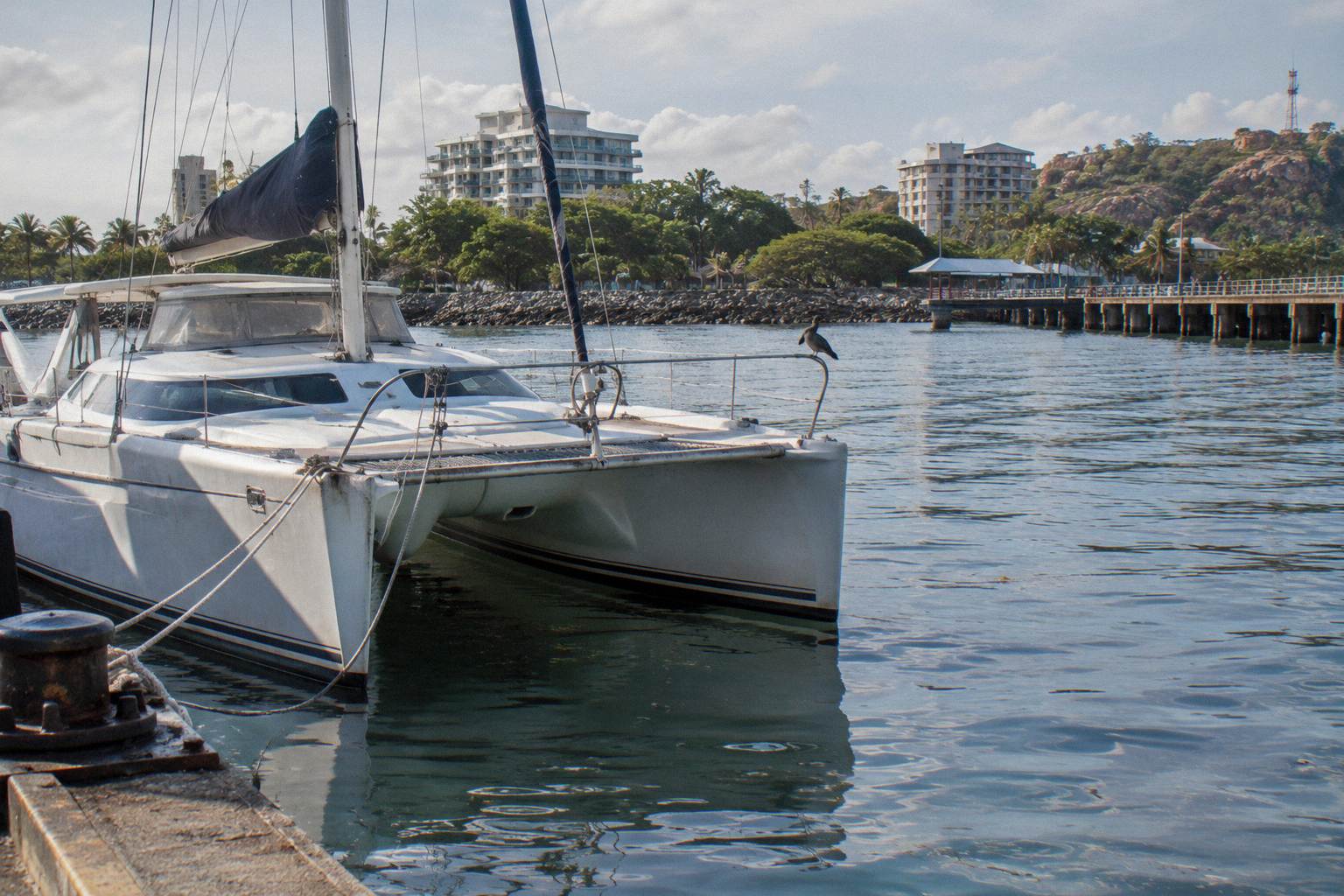
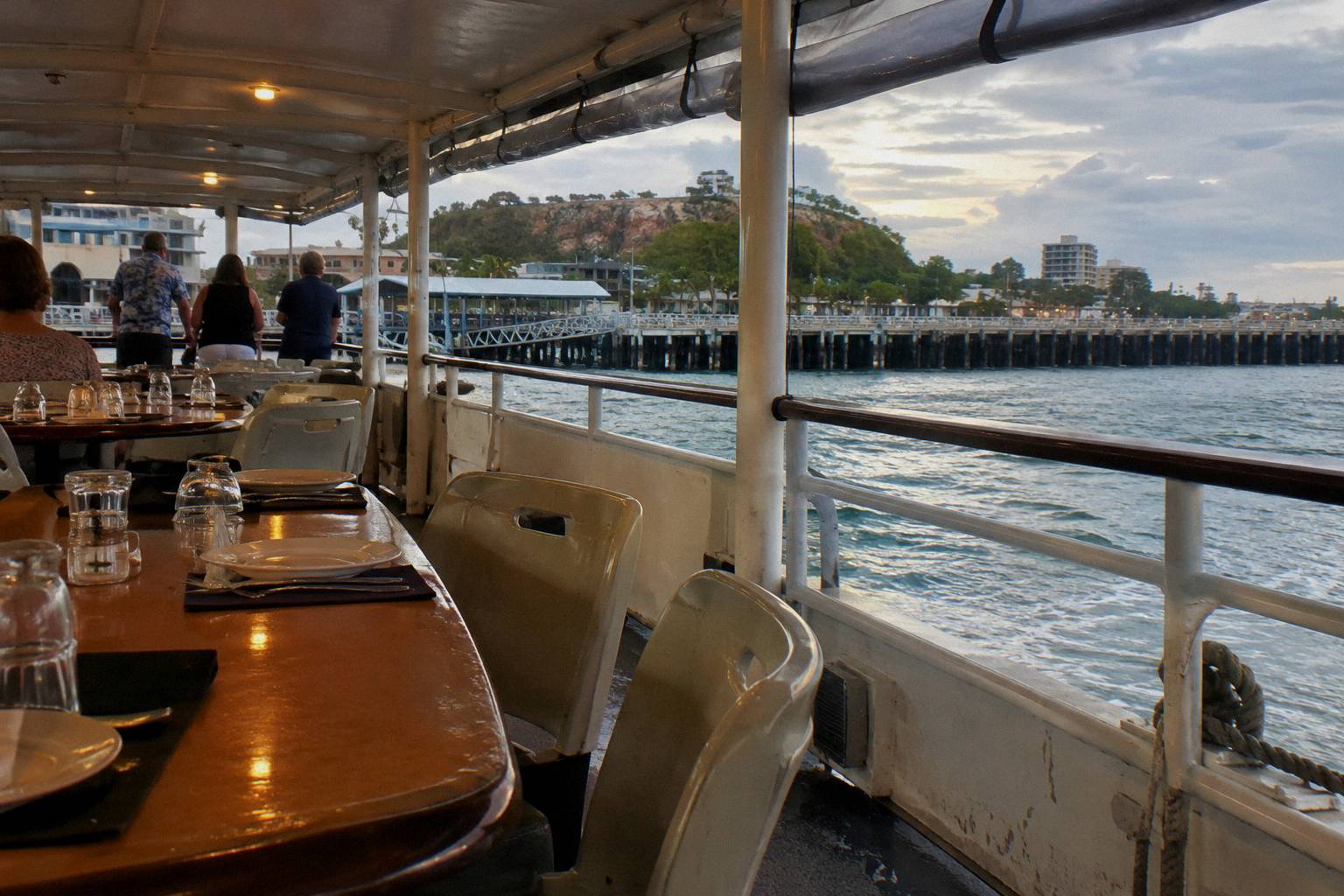
The other structural comfort is size and design. The Charles Darwin is a three-level catamaran with an open-air Sun Deck and two air-conditioned indoor levels; twin-hulled boats of that type move differently from single-hulled vessels, and having two enclosed levels means a midship indoor seat is available if the open deck feels too lively. Sail Darwin's Sundancer NT is also a catamaran, 15 m (50 ft) of aluminium sailing hull, and the Cape Adieu is a traditional ketch. Three quite different boats, one common denominator: all of them board at Stokes Hill Wharf for evenings that stay inside the harbour.
Which Boat Suits A Nervous Guest Best?
There is no covered "calmest" boat, because no operator rates its own motion and no review pool exists to rank them. What differs honestly is format: a three-level catamaran with indoor seating, a 15 m sailing catamaran, or a traditional ketch. All three stay harbour-based, and choosing between them is about where you would rather sit and eat.
Start with what you can verify and compare directly. The table below uses only operator-stated facts: vessel type, where it boards, what the evening involves, and the one operator comfort statement that exists.
| Cruise | Vessel, per the operator | Boards at | Evening format | Comfort notes from the operator |
|---|---|---|---|---|
| Charles Darwin Sunset Buffet Dinner Cruise | Charles Darwin, three-level catamaran with Sun Deck and two air-conditioned indoor levels | Dock 3, Stokes Hill Wharf | About 2 hours, Territory-style buffet, beverages for purchase | Harbour generally calm; ginger tablets suggested; vessel cashless |
| Four-Course Ketch Sunset Dinner Cruise | Cape Adieu, traditional ketch | Dock 3, Stokes Hill Wharf | About 2.5 hours, four-course chef-prepared dinner | Cruises run April to October; fully licensed bar, no BYO alcohol |
| Sunset Sail With Dinner And Sparkling Wine | Sundancer NT, 15 m sailing catamaran | Dock 1, Stokes Hill Wharf | About 3 hours, dinner and sparkling wine | Sailing subject to suitable tides and weather; arrive at least 15 minutes early |
| Gaze And Graze Sunset Cruise | Darwin Harbour Cruises vessel, allocated Sundeck seating | Dock 3, Stokes Hill Wharf | About 2 hours, gourmet grazing platter and mango ice cream | Same operator FAQ applies; Sundeck seating is allocated |
A nervous reader can extract three real decisions from that table. First, indoor versus outdoor: only the Charles Darwin publishes two air-conditioned indoor levels, which matters if your strategy is to sit low, sit midship and look at the horizon through a window. Second, duration: these evenings run about two to about three hours, and a shorter evening is a smaller commitment for a first-timer. Third, format: a ketch dinner, a buffet catamaran and a sailing catamaran feel like different nights out even in identical water.
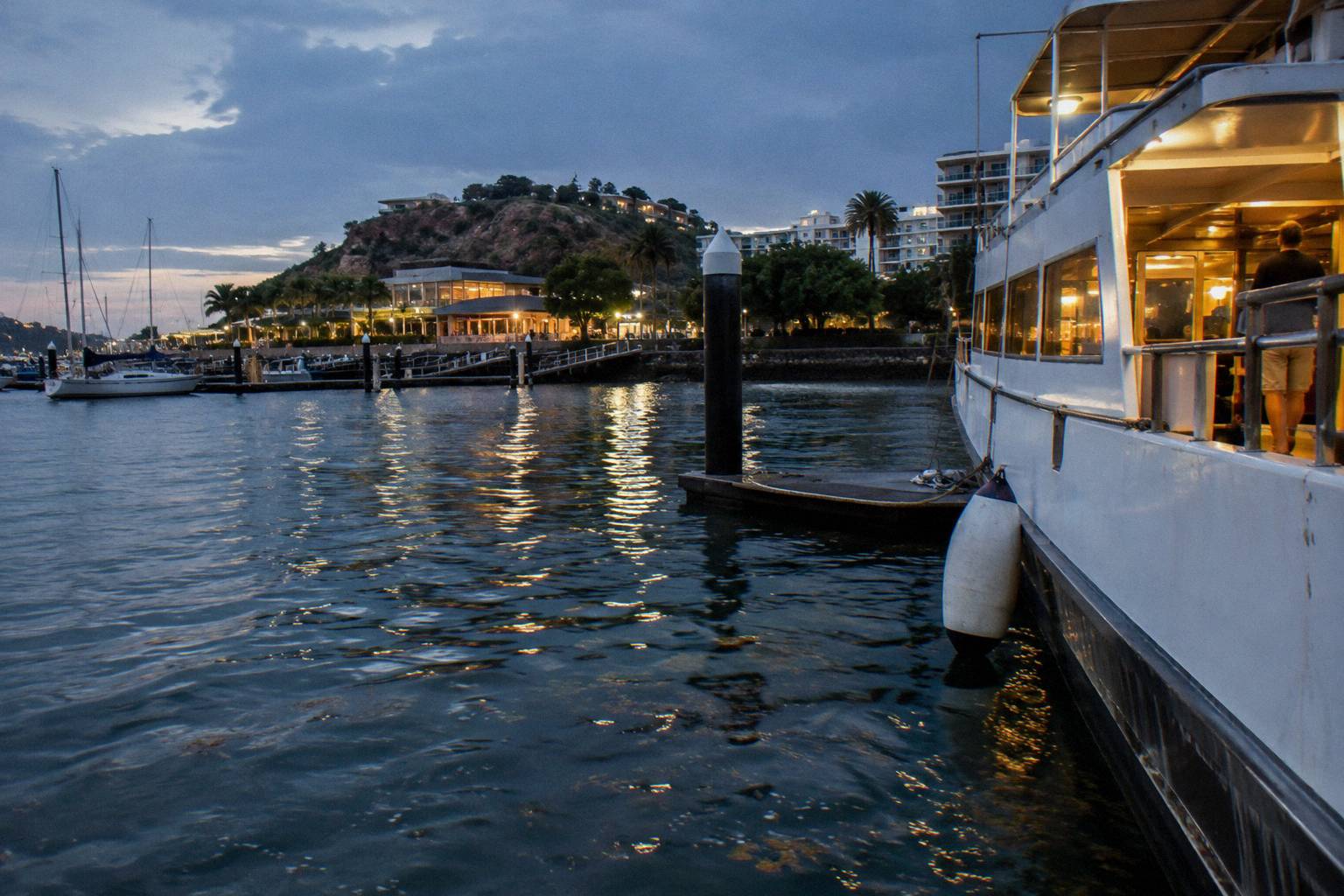
If sitting inside a stable, wide catamaran with a plate of buffet food sounds like the safest first step, the buffet evening is the obvious place to start; you can read a fuller comparison in the guide to Darwin harbour cruises compared. If the idea of a proper sailing boat appeals more than it frightens you, the sunset sail with dinner and sparkling wine is the one to weigh, and Sail Darwin's terms are unusually generous for the cautious: tickets are refundable or transferable, with no changes or cancellations inside 48 hours of departure, and if fewer than 10 guests book, the operator reschedules or refunds in full. You can also check the three evening options side by side before committing.
What Actually Helps Before You Board?
Darwin Harbour Cruises suggests ginger tablets, and that is the only specific remedy any of these operators names. Beyond it, the practical levers are timing your food, choosing your seat, and asking a pharmacist about medication, because none of these operators gives medical advice.
The pre-boarding hours matter more than most nervous guests expect. A heavy, greasy meal eaten in a rush an hour before departure is a self-inflicted problem on any boat, calm or not. The standard, non-medical advice holds here: eat something light a few hours ahead rather than arriving either stuffed or empty, keep water handy in the tropical heat, and go easy on alcohol before the boat leaves the dock. The operator FAQ that mentions ginger tablets also lists what to bring, and that list is worth taking seriously in its own right: hat, camera, ticket or voucher, and a light cardigan, because the operator describes the harbour at about 25 degrees at night.
| Preparation | What the operators actually say | Source of the statement |
|---|---|---|
| Ginger tablets | Suggested for sea sickness; the harbour is generally calm | Darwin Harbour Cruises FAQ |
| Clothing | Hat and a light cardigan; harbour about 25 degrees at night | Darwin Harbour Cruises FAQ |
| Payments on board | The Charles Darwin is cashless; EFTPOS and Visa or Mastercard only | Darwin Harbour Cruises |
| Arriving | Arrive at least 15 minutes before departure; the boat leaves promptly | Sail Darwin |
| Motion-sickness medication | Not addressed by any of these operators; ask a pharmacist | Not stated; check the booking page |
| Dress code | Cape Adieu and Sail Darwin publish no dress code | Not stated |
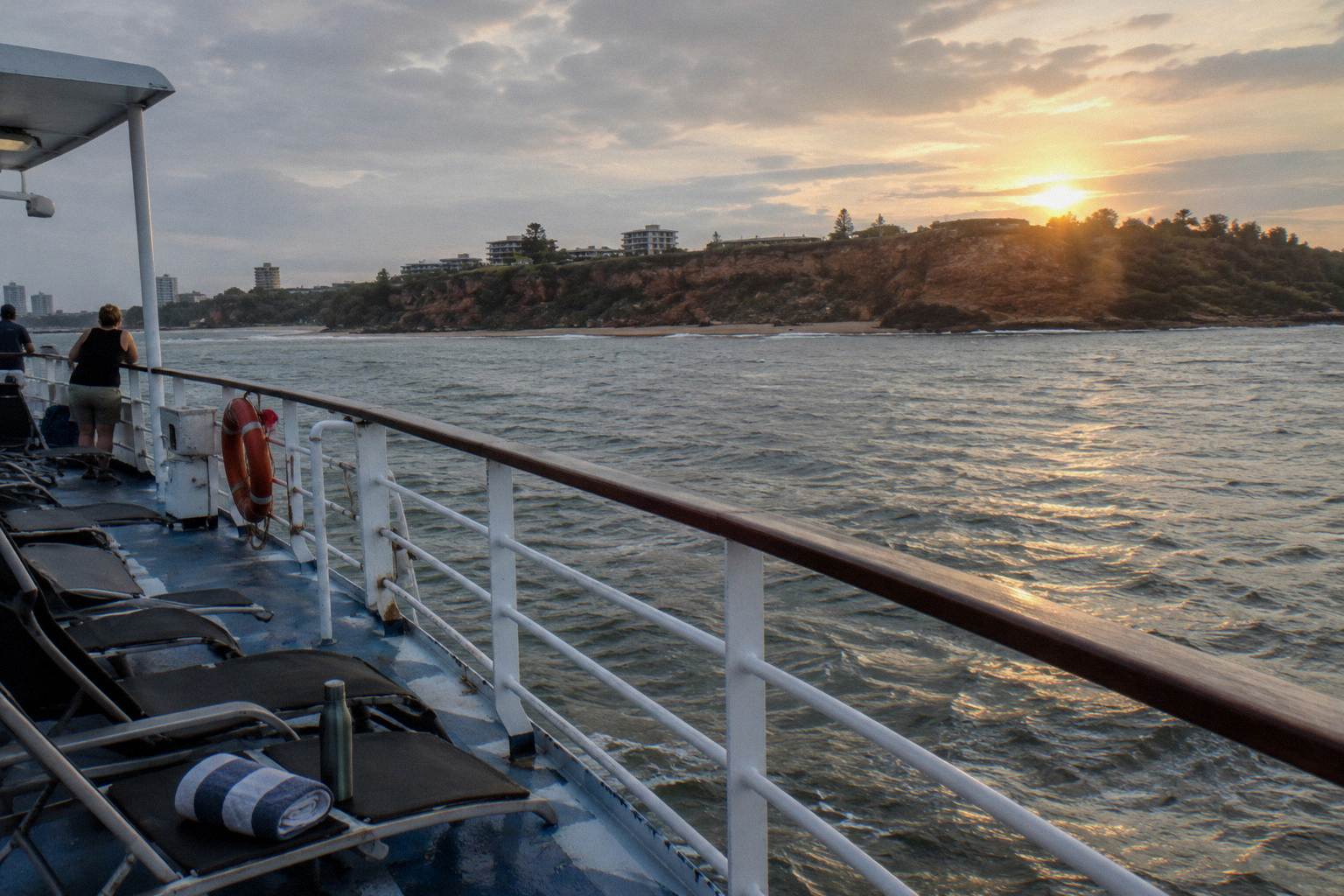
The seat-and-gaze strategy costs nothing and is worth more than most gadgets. The middle of a boat moves less than the ends, and the horizon is your friend: an inner-ear conflict settles fastest when your eyes see the same motion your body feels. On the Charles Darwin, that argues for a midship indoor seat on one of the air-conditioned levels, at least for the first stretch of the evening. Facing forward rather than sideways also helps many people, and staying out on the open deck in fresh air suits others better than the cabin; there is no single right answer, only the one that works for you on the night.
On medication, prudence wins. No operator here recommends tablets, patches or any other remedy beyond ginger, and a page about boats should not play pharmacist. If you know you are a hardy sufferer or you are weighing a prescription option, ask a pharmacist or your doctor before the evening, and do it days ahead rather than at the wharf. For a fuller packing list that goes beyond the seasickness question, see what to bring on a sunset boat.
What Do You Do If Queasiness Starts Mid-Cruise?
Tell crew early rather than toughing it out, get to fresh air or a midship indoor seat, fix your eyes on the horizon, and skip the rest of the bar tab. None of these operators publishes an on-board sickness protocol, so the honest advice is general seamanship plus a quiet word with staff who work the harbour every week.
Crew on harbour dinner cruises have seen every grade of nervous guest, and the one mistake they see most is silence: someone determined to sit still and sweat through it while their evening disappears. Speaking up early gives crew options, from a seat change to simple reassurance, and it costs you nothing. On a three-level catamaran a seat move is easy; on a 30-passenger sailing catamaran less so, which is one more reason the boat choice in the previous section matters.
The physical playbook is short. Move to the middle of the vessel if you can. Look at the fixed horizon, or a distant point of the shoreline along the Esplanade, rather than at a phone, a menu or the tablecloth. Keep breathing steadily, and if you are on the sunset sail where alcohol is permitted in moderation per the operator's terms, treat that permission gently; alcohol and a rolling deck are a poor pairing for an unsettled stomach.
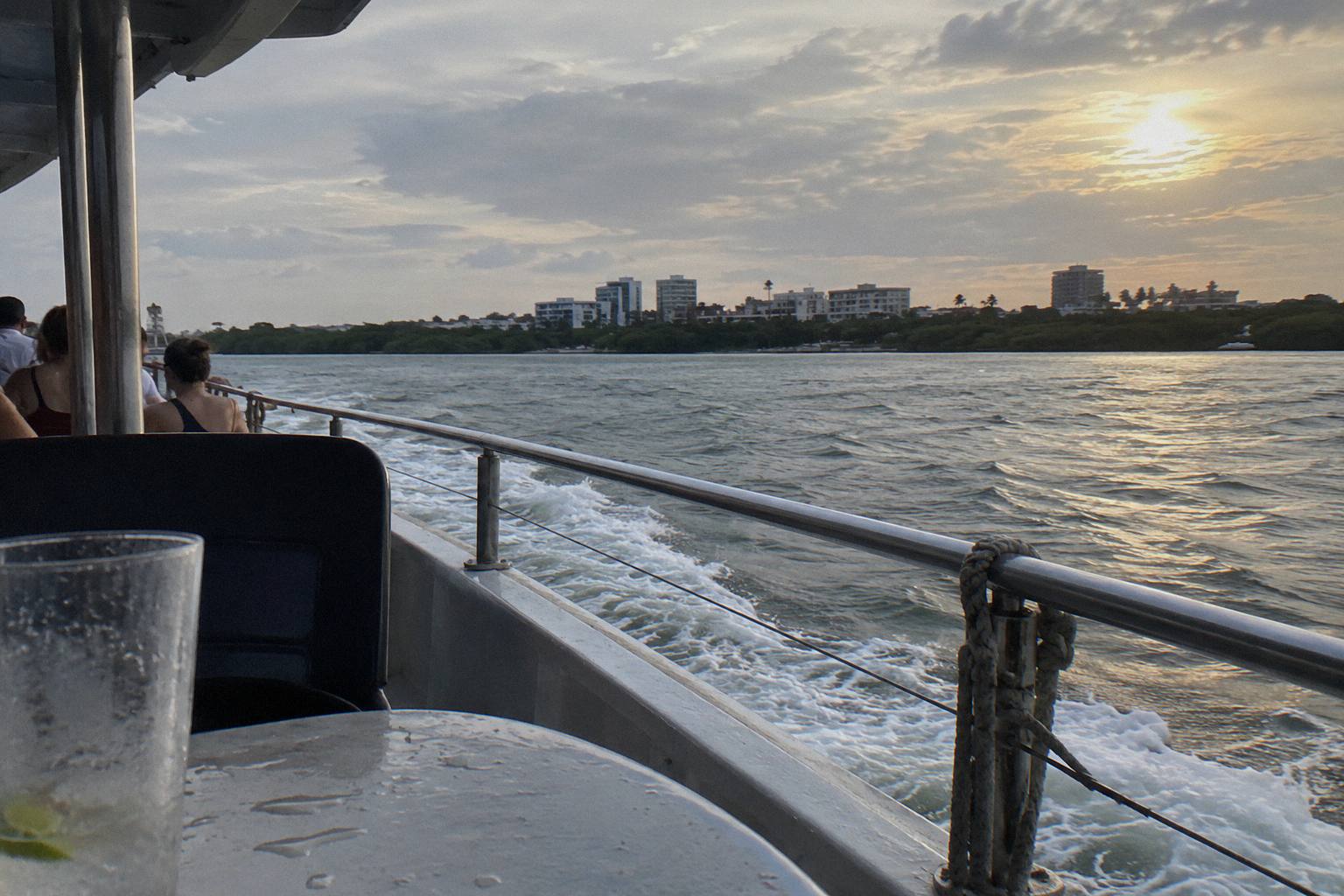
Food deserves a specific word, because these are dinner cruises and eating is the point. Pacing beats abstaining for most people: a few calm mouthfuls with the horizon in view, a pause, then more if you feel steady. A buffet, where you control portions and timing entirely, is structurally kind to a nervous eater, which is a genuine point in favour of the Charles Darwin evening; its Territory-style buffet caters for vegetarians and gluten-free guests per the operator FAQ, though the FAQ's other points belong on the food page rather than this one. If your stomach is truly doubtful, consider the grazing format instead of a full dinner; you can read about the grazing platter sunset boat option for that angle.
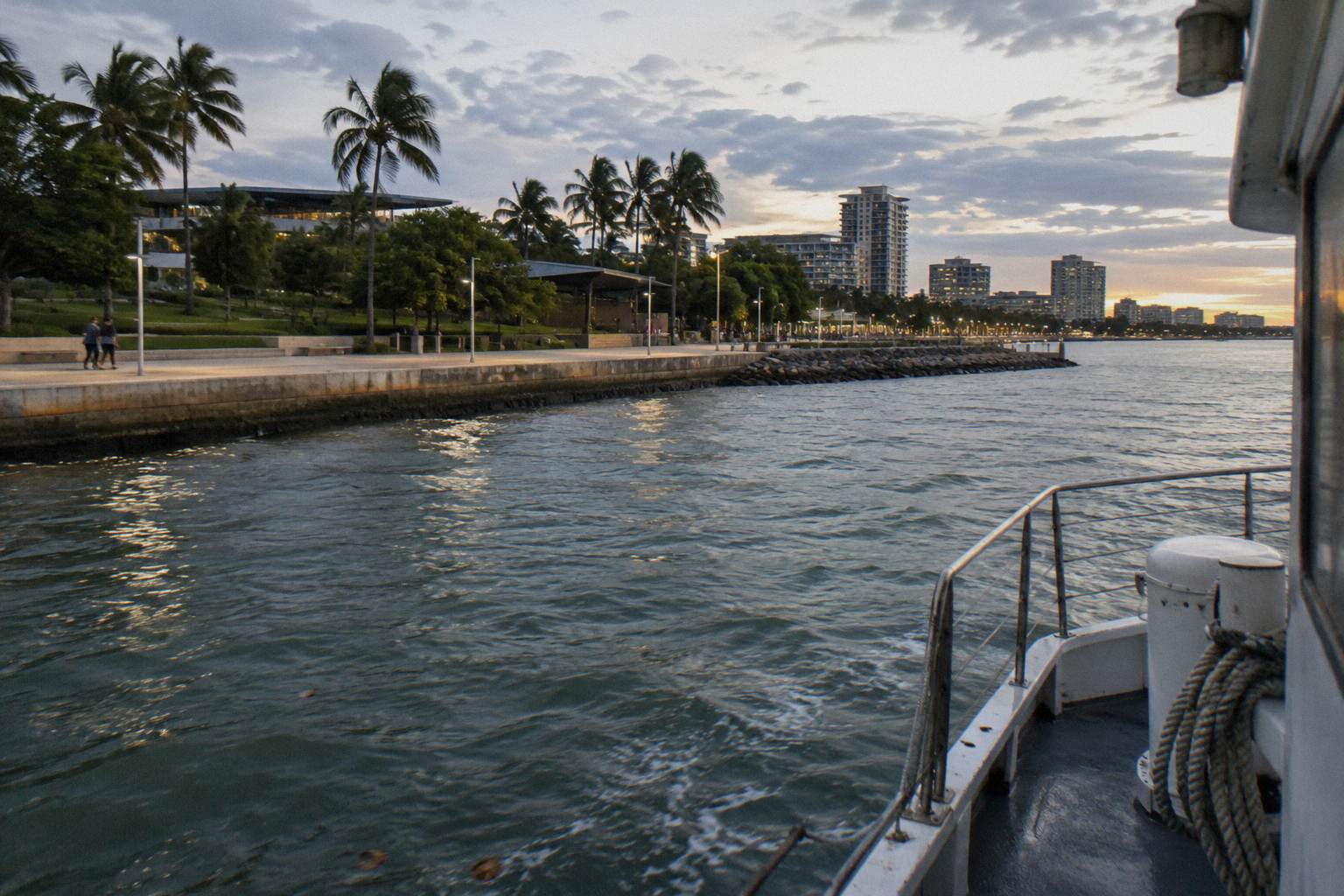
One reassurance specific to Sail Darwin is worth repeating here rather than leaving in the booking section: all sailing is subject to suitable tides and weather, and if the captain calls it, guests get a reschedule or a 100 percent refund. A nervous guest is not gambling the fare against a rough night on that boat. The other operators' cancellation windows are not published; check the booking page.
Do Tides, Wind Or Season Change The Motion?
Tides genuinely matter: Darwin has very large tides, both Darwin Harbour Cruises and Sail Darwin say tides and weather can change the route or whether sailing happens, and no verified tide or wind figure exists to print. Season-wise, the BOM table shows May to September as the dry, still months, but no operator guarantees conditions in any month.
The tide statement is the most concrete thing any of these operators says about conditions. Darwin Harbour Cruises says tides decide how close to the coast its vessels can go, that the skipper may change the route, and that tides affect gangway access, which by extension affects how the boarding ramp feels underfoot. Sail Darwin's terms put it more bluntly: all sailing is subject to suitable tides and weather. Neither statement converts into a number you can plan around, and the Bureau of Meteorology's Darwin tide tables for 2026 and 2027 are the primary reference if you want to read the cycle yourself.
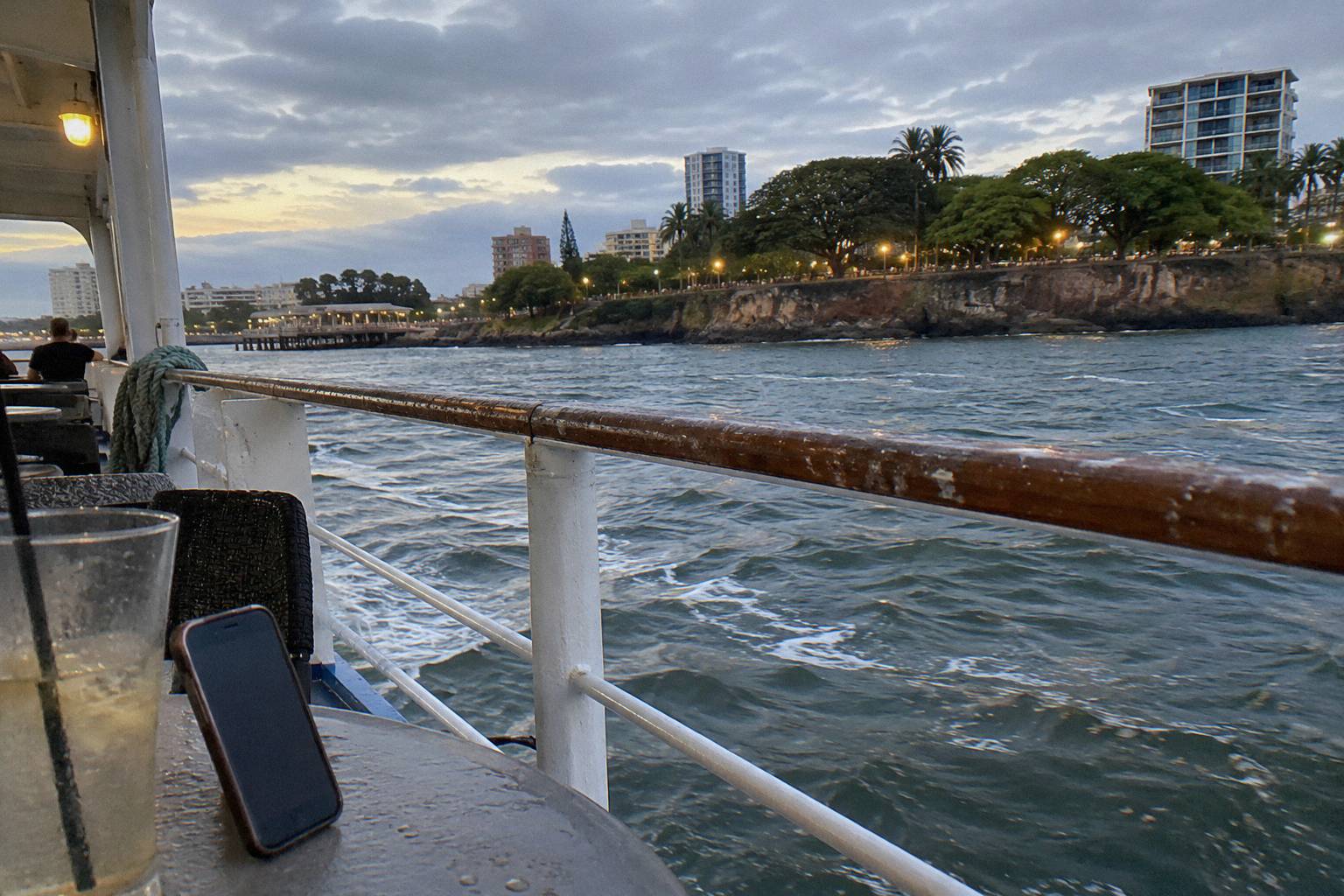
Season is where the climate record earns its place in this discussion. Reading the BOM long-term averages for Darwin Airport, station 014015, the mean monthly rainfall stays under about 25 mm from May to September, July averages just 0.2 days of rain of 1 mm or more, and July and August average 17.6 and 19.0 clear days respectively. Contrast January: 432.1 mm of mean rainfall, 19 rain days, and 0.6 clear days. The BOM page prints no wet-season definition, so this reading is ours, not an official one, but the pattern is unmistakable: the middle of the year is when Darwin skies are settled.
| Month | Mean max temp (C) | Mean rainfall (mm) | Rain days of 1 mm or more | Mean daily sunshine (hours) |
|---|---|---|---|---|
| January | 31.8 | 432.1 | 19.0 | 5.7 |
| April | 32.8 | 102.4 | 7.3 | not published by the operator |
| July | 30.7 | 1.0 | 0.2 | 10.2 |
| August | 31.6 | 4.4 | 0.3 | 10.4 |
| October | 33.4 | 69.3 | 5.1 | not published by the operator |
Source: Bureau of Meteorology long-term averages, Darwin Airport station 014015, 85 years of record.
Whether settled skies mean calmer water is a step this guide will not take. What the table honestly supports is this: in the May to September stretch you are statistically far less likely to be watching a storm build over the harbour, and Cape Adieu at least runs its dinner cruises April to October, which it calls the Dry season. For more on timing the trip, read the dry season evening cruise guide and its wet season counterpart.
Who Should Ask A Question Before Booking?
Guests who take medication, have inner-ear conditions, are pregnant, or are booking for anxious children should contact the operator first, because none of these operators publishes a medical suitability statement. Accessibility questions need the same direct conversation, and the details matter: Darwin Harbour Cruises takes no wheelchairs, scooters or walkers.
The accessibility fine print is genuinely relevant to the seasickness question, because unsteadiness and mobility overlap on a gangway. Darwin Harbour Cruises states plainly that its gangways and tides mean no wheelchairs, scooters or walkers on board, that walking sticks are fine, and that guests needing support need a capable companion. Cape Adieu has an accessibility page, so ask the operator directly. For Sail Darwin, deck access is not described in its published pages; it is a 15 m sailing catamaran, so ask before booking rather than assuming.
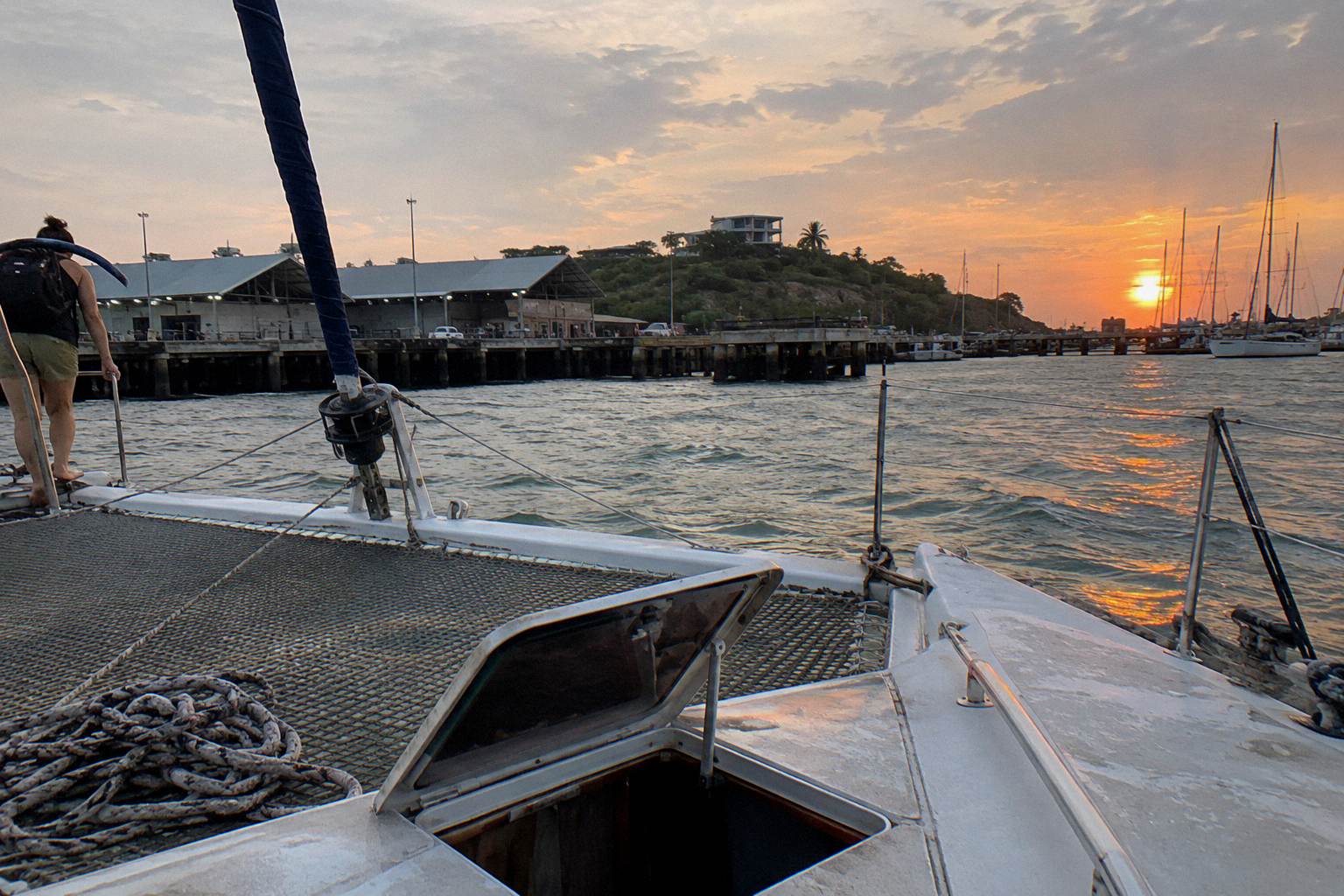
Families have a slightly different conversation. Darwin Harbour Cruises charges a youth fare for ages 4 to 17 with infants 0 to 3 free, small strollers are permitted if you tell reservations, and the buffet caters for vegetarians and gluten-free guests. Cape Adieu says families are welcome and asks for children's ages at booking. Sail Darwin requires under 18s to be accompanied by an adult. An anxious child is often better on a shorter evening with the escape hatch of an indoor level, and the fuller picture is in sunset boat with kids.
If you already know rough-water history, the pre-booking email to the operator is where to use it. Ask about the evening's route, about where the steadiest seats are, and about the cancellation terms that apply to your specific ticket, because the booking page carries the terms that govern your fare. None of these operators publishes a sell-out or demand figure, so this guide will not tell you to book weeks ahead; that is simply not stated anywhere. What is stated is that dietary requests on Cape Adieu need at least 48 hours' notice, and that Sail Darwin locks changes inside 48 hours of departure, so late nerves have real costs on that boat.
Reading Your Own Evening Before You Commit
Check the official tide tables and the Bureau's Darwin forecast before booking, note the operator's own statements about tides and weather, and pick the boat whose seating suits your nervous system. None of these operators publishes sea-state guarantees, so the decision is about stacking small comforts rather than finding a zero-motion promise.
The sources that let you read your own evening are public and primary. The Bureau of Meteorology's Darwin climate averages show the seasonal pattern, its NT tide tables cover Darwin for 2026 and 2027, and the operators' own pages carry the live terms. Darwin Harbour Cruises' guest FAQ is where the "generally calm" and ginger tablet statements live, and Sail Darwin's terms and conditions spell out the tide, weather and 48-hour rules. Read those four and you know more than most people on any wharf.
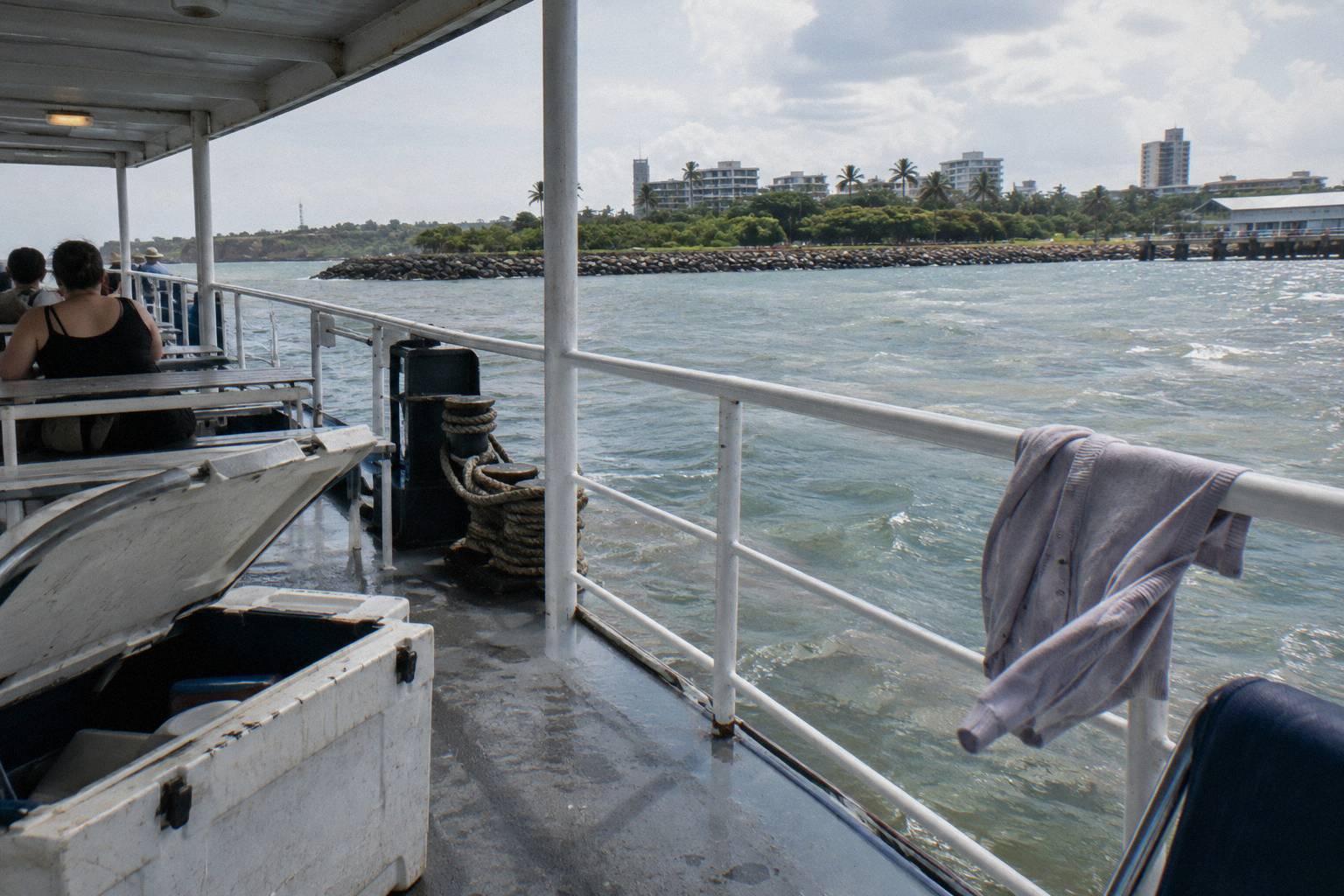
Then match the boat to the worry. If your fear is motion, the wide three-level catamaran with indoor seating is the defensible first choice. If your fear is commitment, the sailing catamaran's refund-and-transfer terms outside 48 hours are the softest landing on the roster, and its captain holds the weather call with a full refund attached. If your worry is being trapped on a long evening, note the durations honestly: about two hours for the two Darwin Harbour Cruises evenings, about 2.5 for the ketch dinner, about three for the sunset sail. A nervous first-timer has a genuine case for starting short.
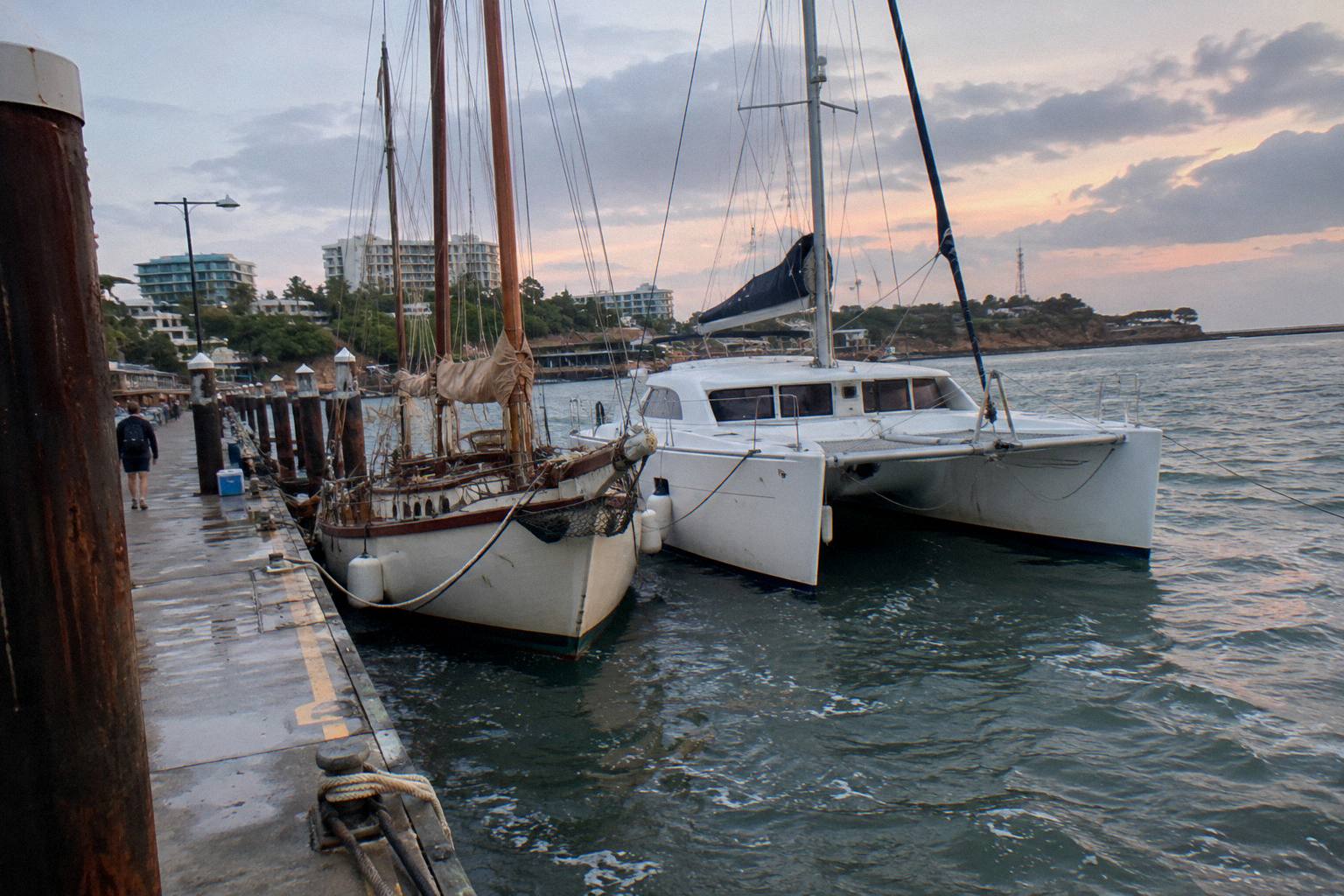
Finally, keep the whole question in proportion. This is a harbour, in tropical latitudes, on evenings that the one operator commenting at all calls generally calm, at speeds its own route description puts at about 4 knots. People who have never been queasy on a ferry cross the harbour for dinner every week of the season. Some guests do feel the water, and for them the ginger tablets, the midship seat, the horizon and a quiet word with crew usually carry the night. This site, Darwin Sunset Dinner Cruise, would rather give you the honest operators' words than a promise nobody can make.
If the balance now tips toward booking, the three dinner evenings below are the options this page has been discussing, and each listing carries the live terms that apply to your ticket.
Common Questions About Seasickness On The Harbour
Will I Get Seasick On A Darwin Sunset Dinner Cruise?
Not necessarily, and nobody can promise either way. Darwin Harbour Cruises describes the harbour as generally calm, its dinner route runs at about 4 knots inside the harbour, and all four evening cruises stay harbour-based. Motion is possible on any boat; if you are prone to it, ginger tablets, a midship seat and the horizon are your tools, and a pharmacist can advise on anything stronger.
Is Darwin Harbour Rough At Sunset?
The one operator statement on the subject calls it generally calm. No swell, wind or sea-state figure is published for these cruises, so any number you read elsewhere about Darwin water conditions is not from the operators. Tides are the real variable: both Darwin Harbour Cruises and Sail Darwin say tides and weather can change the route or whether the cruise sails.
What Do The Operators Suggest For Sea Sickness?
Ginger tablets, per the Darwin Harbour Cruises FAQ, the only remedy any of these operators names. That same FAQ suggests ginger tablets alongside its packing list of hat, camera, ticket and a light cardigan for harbour nights of about 25 degrees. For medication questions, ask a pharmacist; no operator gives medical advice.
Which Darwin Dinner Cruise Is Steadiest For Nervous Guests?
No operator rates its own motion, so there is no ranking. The structural differences are real though: the Charles Darwin is a three-level catamaran with two air-conditioned indoor levels and midship seating, the evenings run from about two to about three hours, and the shorter buffet or grazing formats are smaller commitments for a first boat dinner.
Can I Cancel If I Feel Unwell Before The Cruise?
It depends on the operator. Sail Darwin tickets are refundable or transferable with no changes inside 48 hours of departure, and if the captain cancels for weather you get a reschedule or a full refund. Darwin Harbour Cruises and Cape Adieu do not state cancellation windows, so check the booking page for the terms that apply to your ticket before you pay.