
Are There Crocodiles In Darwin Harbour?
Crocodiles and Darwin Harbour: what NT Government advice actually says, why the harbour is managed as a no-tolerance area, and why an evening dinner cruise keeps you safely above the question.
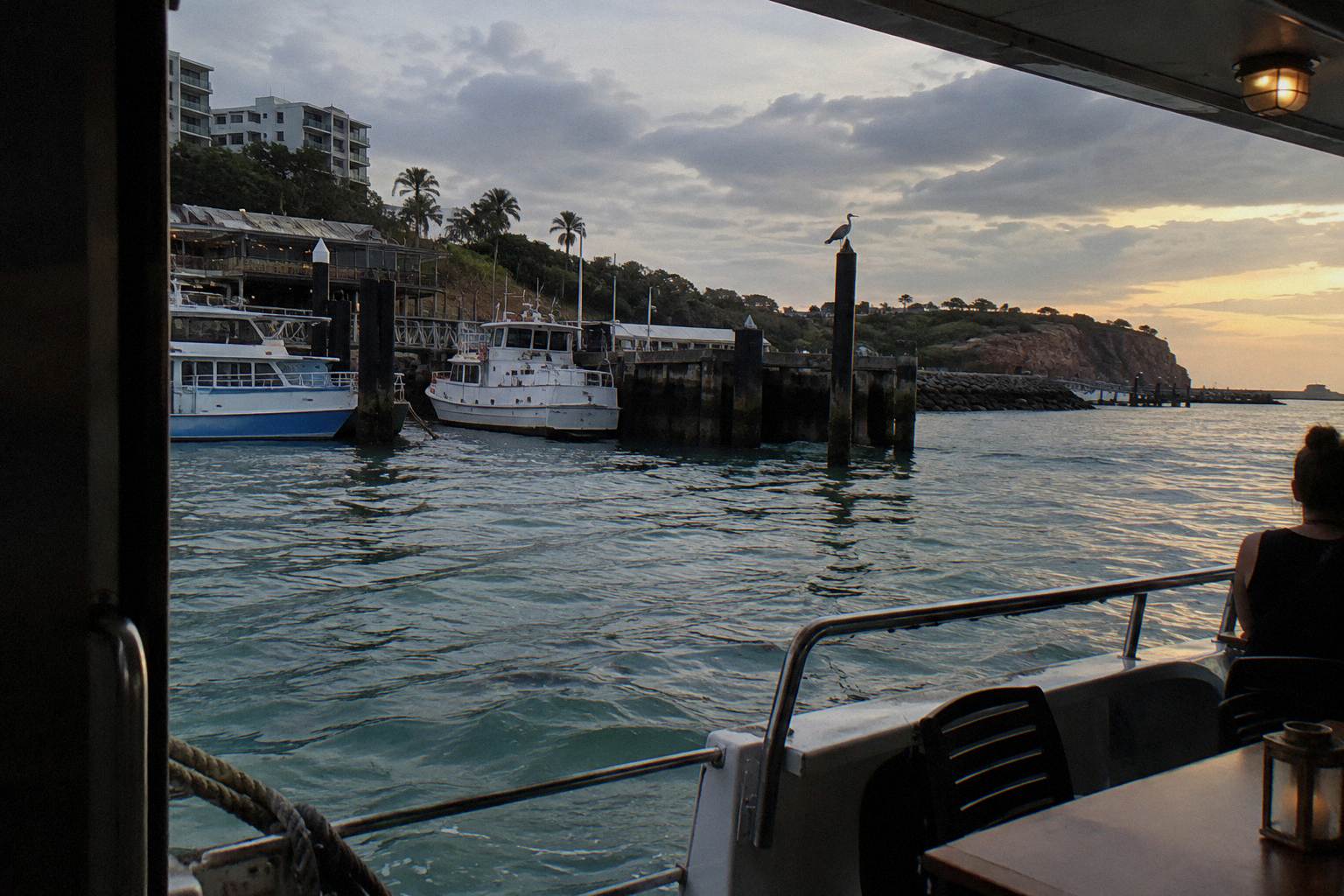
Yes, Darwin is crocodile country and the harbour is treated that way. NT Government advice describes Darwin Harbour as a no-tolerance area for crocodiles, which means animals found there are removed, and the standing advice is to swim only in signposted exclusion areas. None of the dinner cruises listed here includes swimming, and the guidance is simple: do not swim from the boat or the foreshore.
That single paragraph is the heart of the matter, and it is worth sitting with for a moment, because the question usually comes from a specific place. A traveller planning a Darwin evening starts reading about the Top End, sees the word crocodile eleven times before breakfast, and begins to wonder whether stepping onto a boat is a reasonable thing to do. It is. The question is not whether the harbour is crocodile-free, because no honest source claims that. The question is what the water is actually used for, and the answer on a dinner cruise is: looking at, from several metres above it, with a drink in hand.
The territory government's advice, quoted here in words rather than as a link, is that the harbour is managed under a no-tolerance policy and that swimming should happen only in signposted exclusion zones. That is the whole of the official position. What the advice does not include is a crocodile count, a sighting rate, or a risk percentage, and no such official figure exists to quote. Any number you have read elsewhere about how many crocodiles live in Darwin Harbour or how often they are spotted is somebody's estimate, not an official figure.
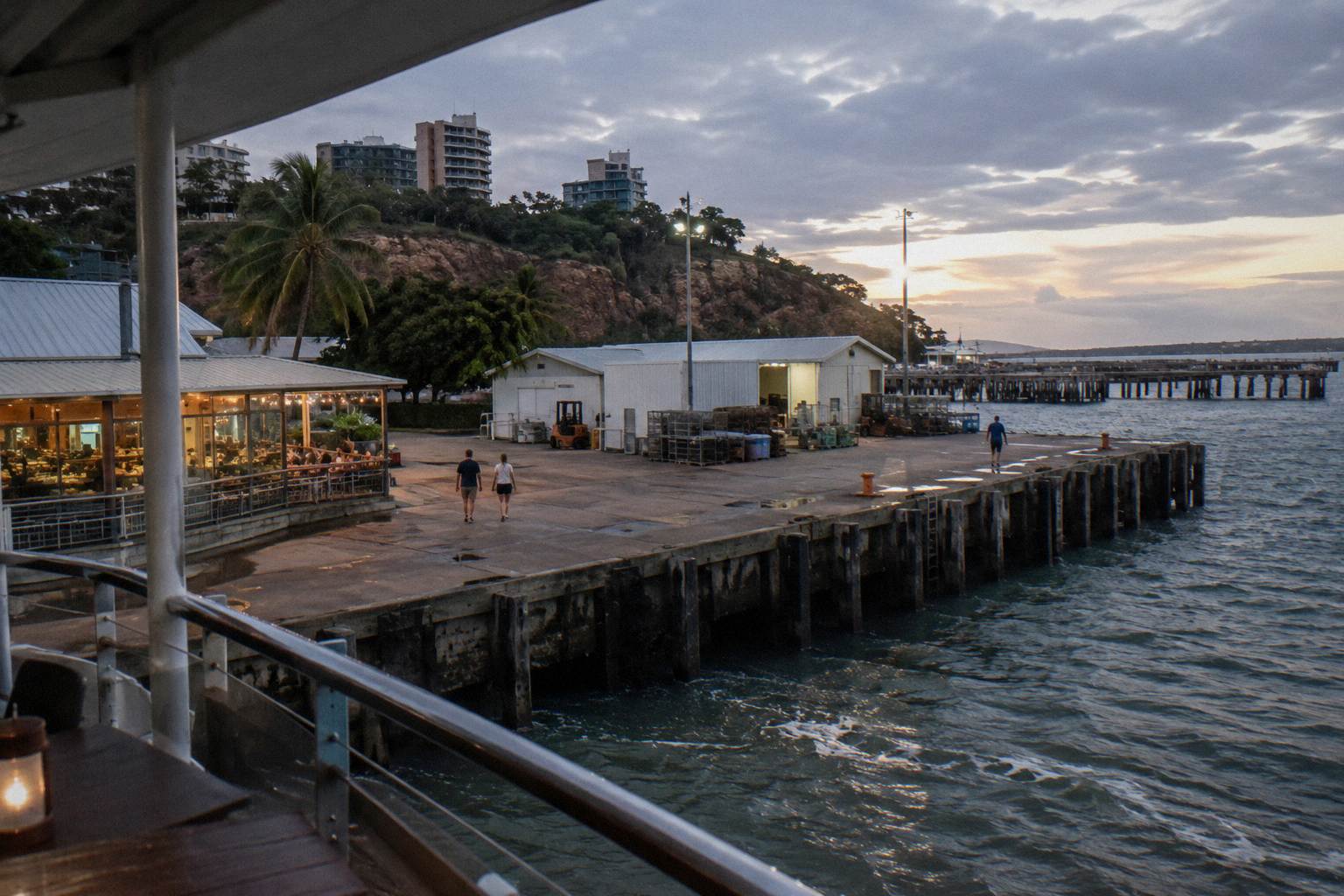
What can be said plainly is that the sunset cruises listed on this site are dining and sightseeing trips on enclosed or settled vessels. The Four-Course Ketch sunset dinner cruise boards a traditional ketch at Dock 3, Stokes Hill Wharf, and serves a chef-prepared four-course dinner with local produce. The Charles Darwin catamaran and the Sundancer NT sailing catamaran do the same job in different formats. Nobody on any of these boats gets in the water, and nobody is invited to.
If the harbour is the thing you have come to see but the water is the thing you would rather not touch, a boat evening is the natural answer.
Why The Harbour Is Managed As A No-Tolerance Crocodile Area
NT Government policy treats any crocodile found in Darwin Harbour as an animal to be removed, which is what no-tolerance management means in practice. The same advice tells people to swim only in signposted exclusion areas. It is a management statement, not a promise that the water is clear, and none of the cruise operators here claims otherwise.
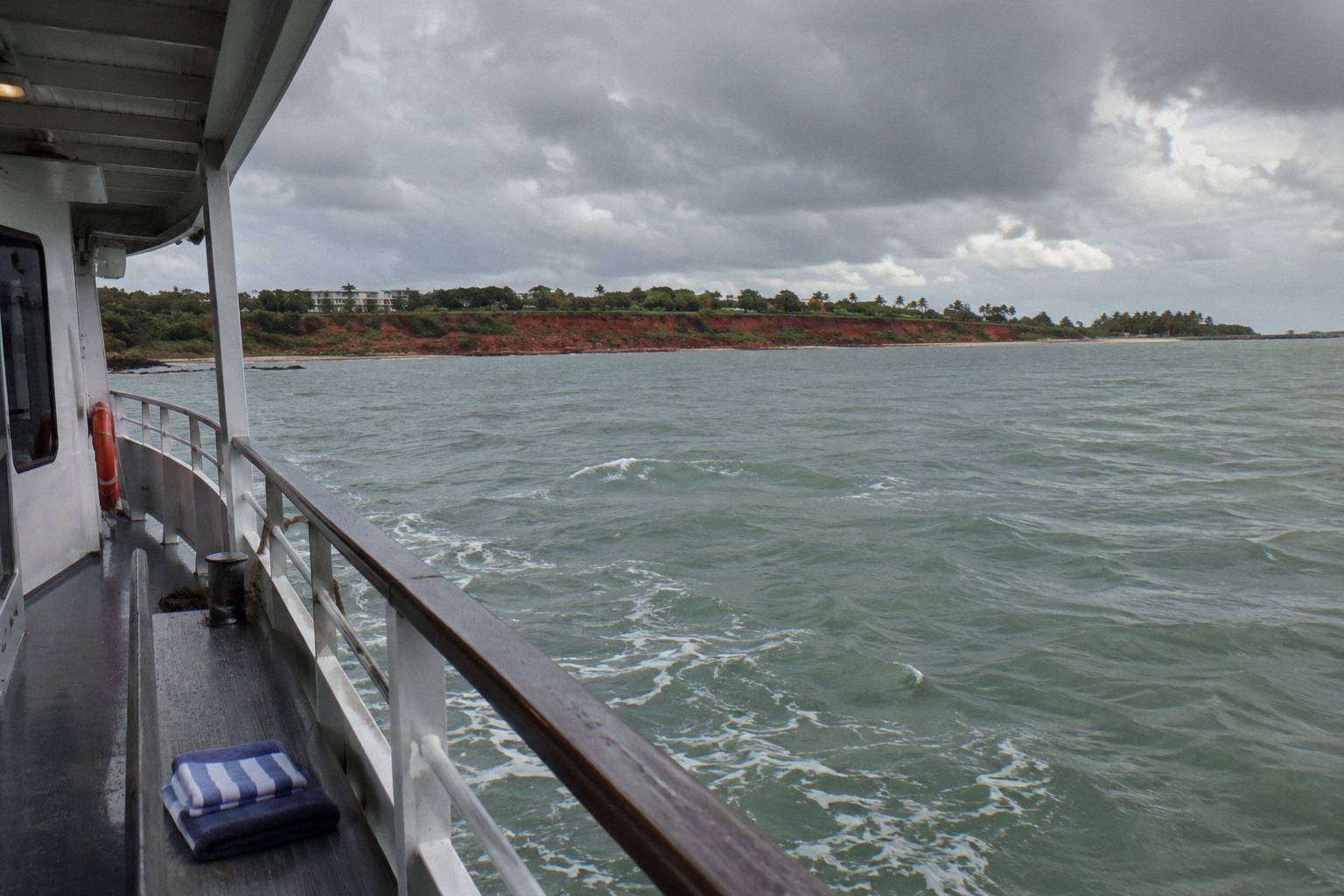
The phrase no-tolerance sounds dramatic until you unpack it. It is an administrative category, not a warning siren. In an area managed this way, reported animals are trapped and relocated rather than left in place, and the exclusion-zone advice exists because the authorities assume a large tropical harbour can never be treated as a swimming pool. Darwin sits on a coastline where estuarine crocodiles are a native, protected animal, and the harbour opens to that coast. The management response is removal plus a standing instruction about where humans may swim.
For a visitor, the practical reading is short. Do not swim from the boat. Do not swim from the foreshore. Follow the signage. That last instruction matters more than it sounds, because the signposted areas are the only places the advice endorses, and everything else, including the water next to the wharf where the cruises board, falls outside it. There is no need to dramatise this; there is a need to state it, once, clearly.
What the boat operators themselves say is more mundane and more reassuring than any wildlife discussion. Darwin Harbour Cruises notes that both of its vessels stay within the harbour, that tides decide how close to the coast a cruise can run, and that tides affect the gangway at boarding. Sail Darwin's published terms say all sailing is subject to suitable tides and weather. Neither company discusses crocodiles at all in the material this site has verified, which tells you where the question sits in their working risk picture: below tides, below weather, well below the cashless card reader.
| Source | What it actually says | What it does not say |
|---|---|---|
| NT Government advice | Harbour is a no-tolerance area; swim only in signposted exclusion areas | No crocodile count, no sighting rate |
| NT Health advice | Box jellyfish more likely in NT waters October to end of May | No month is risk-free; stings recorded every month |
| Darwin Harbour Cruises | Vessels stay in the harbour; tides affect route and gangway | No wildlife sighting claims |
| Sail Darwin terms | All sailing subject to suitable tides and weather | No wildlife sighting claims |
The Bureau of Meteorology's NT tide tables are the official reference if you want to see the tidal side of that picture for yourself, and the scale of Darwin's tides explains a lot about how the harbour behaves. Very large tides move an enormous amount of water twice a day, which is why skippers adjust routes and why the gangway angle changes between arrivals.
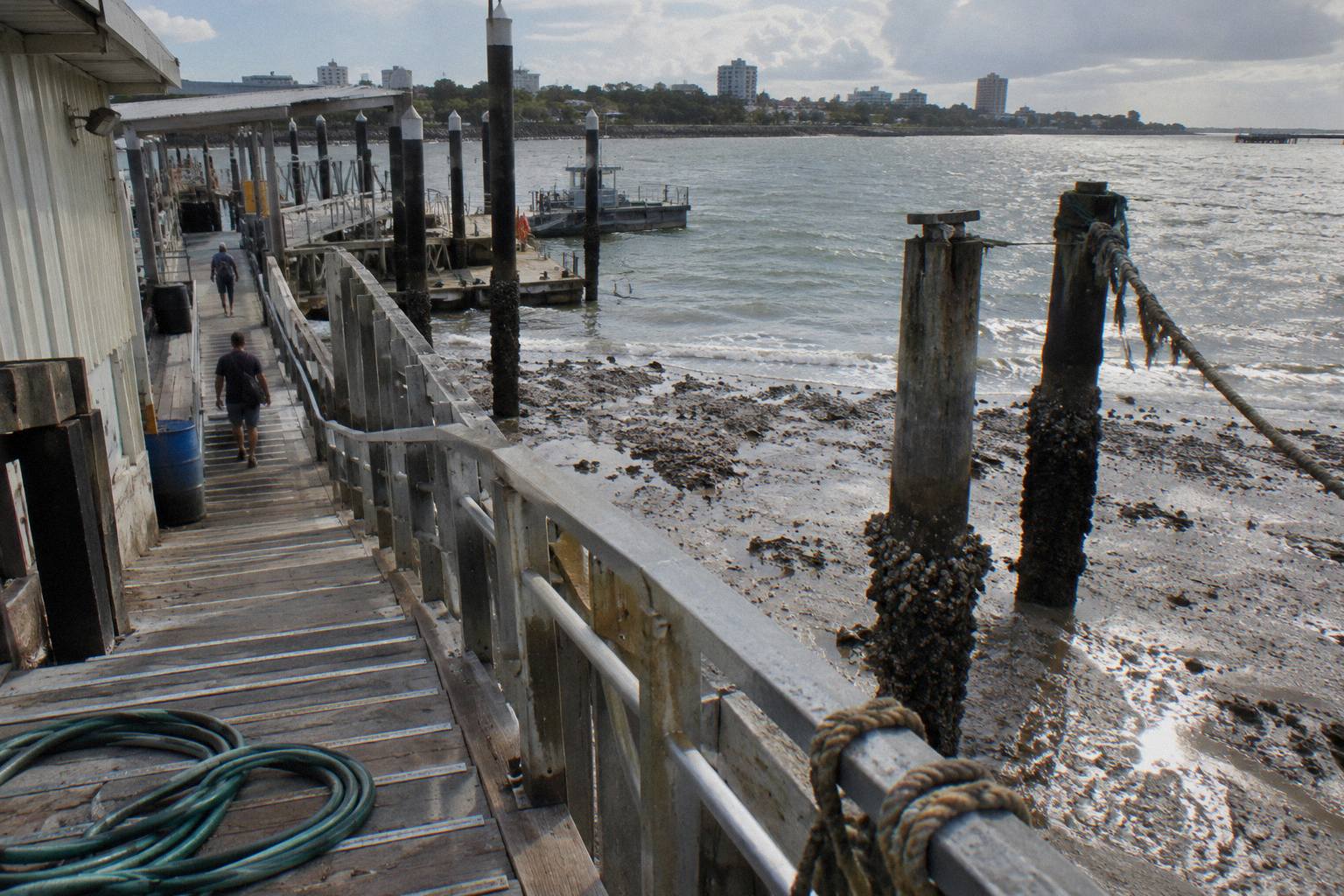
What A Sunset Cruise Actually Does On The Water
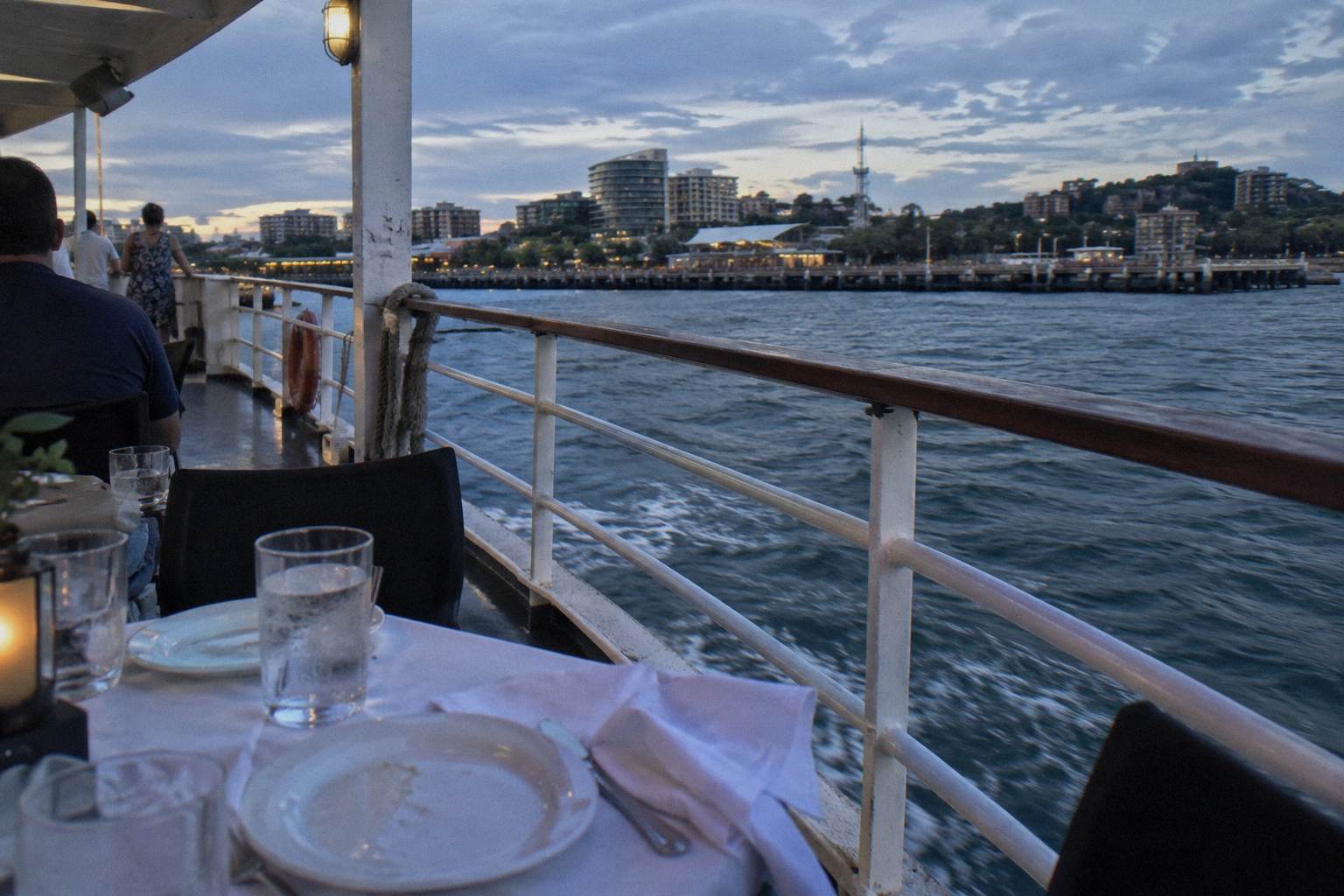
Every cruise listed here is a floating dinner, not a water activity. Boats board at Stokes Hill Wharf ahead of sunset, cruise the harbour for roughly two to three hours while food is served, and return to the same wharf. Guests stay aboard the whole time, seated at tables or on deck, and nothing in any itinerary involves entering the water.
If you have never taken a harbour cruise, it helps to know the shape of the evening. You arrive at the wharf, check in, walk a gangway onto the vessel, and that is the last time you think about the water as anything other than scenery. The boats are not tenders, not rafts, not anything you climb down from. The Charles Darwin is a three-level catamaran with two air-conditioned indoor levels and an open-air Sun Deck. The Cape Adieu is a traditional ketch with dining space and a fully licensed bar. The Sundancer NT is a 15 m sailing catamaran that carries a maximum of 30 passengers on in-shore trips.
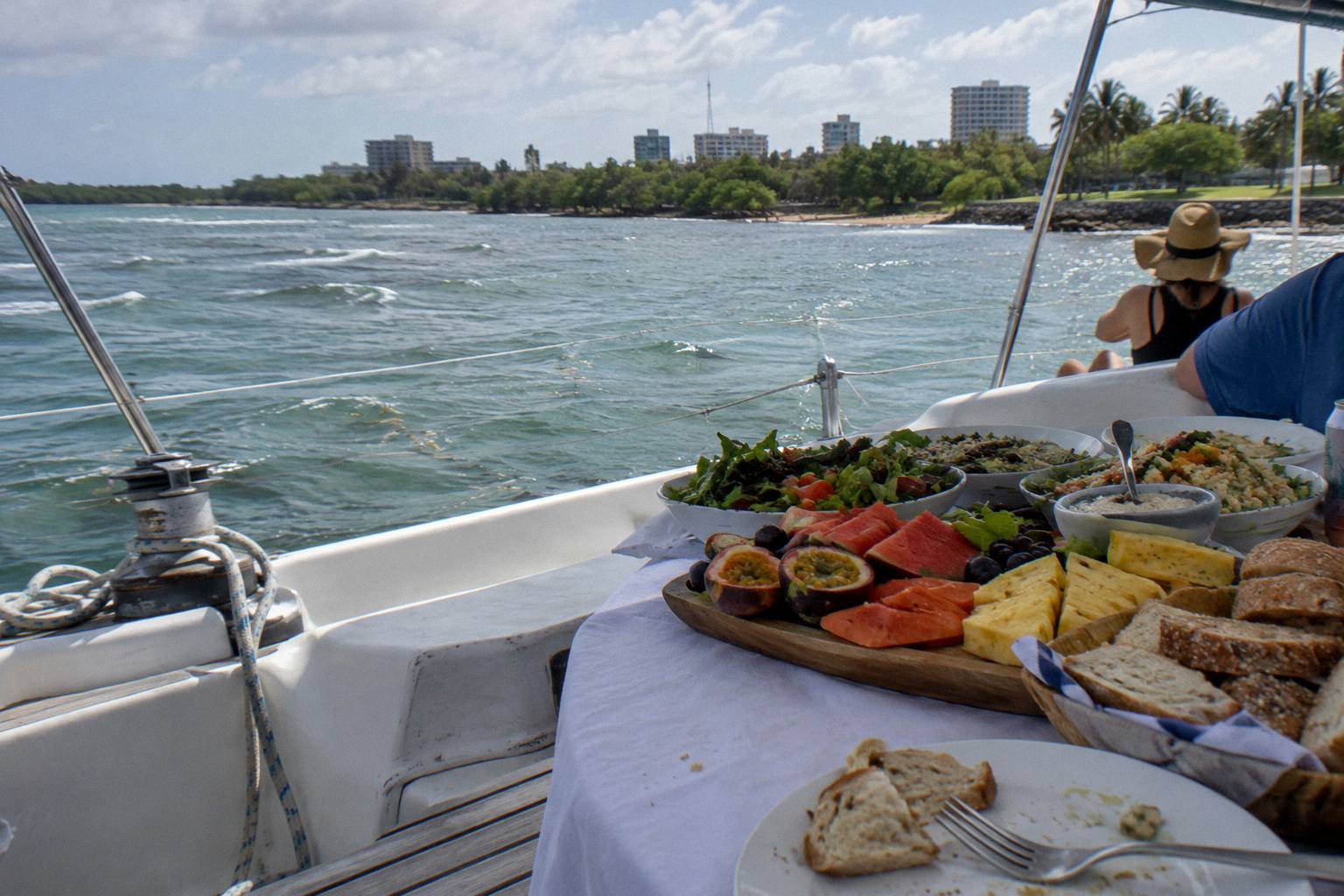
The route, where one is published, is gentle. Darwin Harbour Cruises' own FAQ describes its Charles Darwin cruises leaving Stokes Hill Wharf, running along the Esplanade past the Larrakeyah naval barracks, Cullen Bay and Fannie Bay at about 4 knots, with the skipper free to change the route for tides. Four knots is a slow walking pace on water. The other operators in this guide do not publish a route, so there is nothing honest to add about where their evenings go beyond the harbour itself.
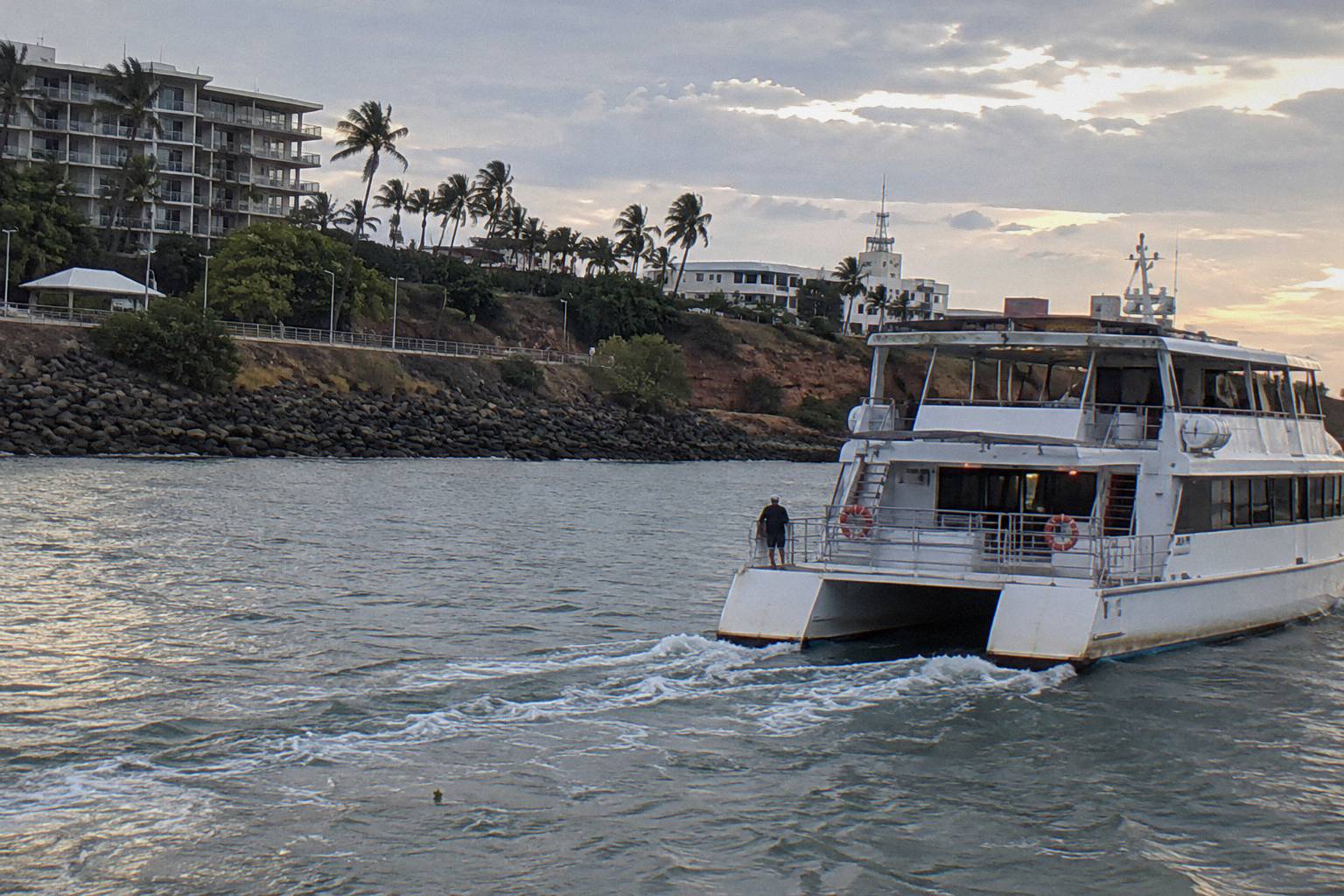
Timing works with the sun rather than against it. Darwin's sunset barely moves across the year, a calculation from NOAA solar data puts it at about 6:29 pm in late May to early July and about 7:19 pm in December and January, a spread of only around 50 minutes, shifting by under a minute a day. Cruises board ahead of sunset so the evening light falls across the harbour during dinner. Because operators adjust clock times through the year and their pages differ, the reliable instruction is the one on your booking confirmation, not a time printed here.
| Cruise | Vessel and boarding | Duration | What is served |
|---|---|---|---|
| Four-Course Ketch Sunset Dinner Cruise | Traditional ketch, Dock 3, Stokes Hill Wharf | About 2.5 hours | Four-course chef-prepared dinner, local produce, licensed bar |
| Charles Darwin Sunset Buffet Dinner Cruise | Three-level catamaran, Dock 3 | About 2 hours | Territory-style buffet, beverages for purchase |
| Sunset Sail With Dinner And Sparkling Wine | 15 m sailing catamaran, Dock 1 | About 3 hours | Dinner and sparkling wine per the listing title |
| Gaze And Graze Sunset Cruise | Charles Darwin catamaran, Dock 3 | About 2 hours | Gourmet grazing platter, mango ice cream, Sundeck seating |
Prices, where the operators publish them, are the operator's own figures: the ketch dinner cruise from A$226 per person, and the Charles Darwin buffet from A$149 adult and from A$89 for youth aged 4 to 17, with infants aged 0 to 3 free on that operator's fares. The other two cruises carry no printed price here, the live listing has the current fare. Check availability for the ketch evening if a seated dinner on a timber deck is the version that appeals.
For readers comparing the smaller-format evenings, the grazing-platter style of the Gaze And Graze cruise covers similar water on the same catamaran, with allocated seating on the Sundeck rather than an indoor table.
Do You Need To Worry About The Water On A Cruise?
None of these cruises involves contact with the water, and the safety conversation on board is about tides, gangways and weather, not wildlife. The NT advice that matters to a cruise passenger is simple: stay on the boat, and never swim from the vessel or the foreshore. Following the operator's boarding instructions is the whole of your contribution.
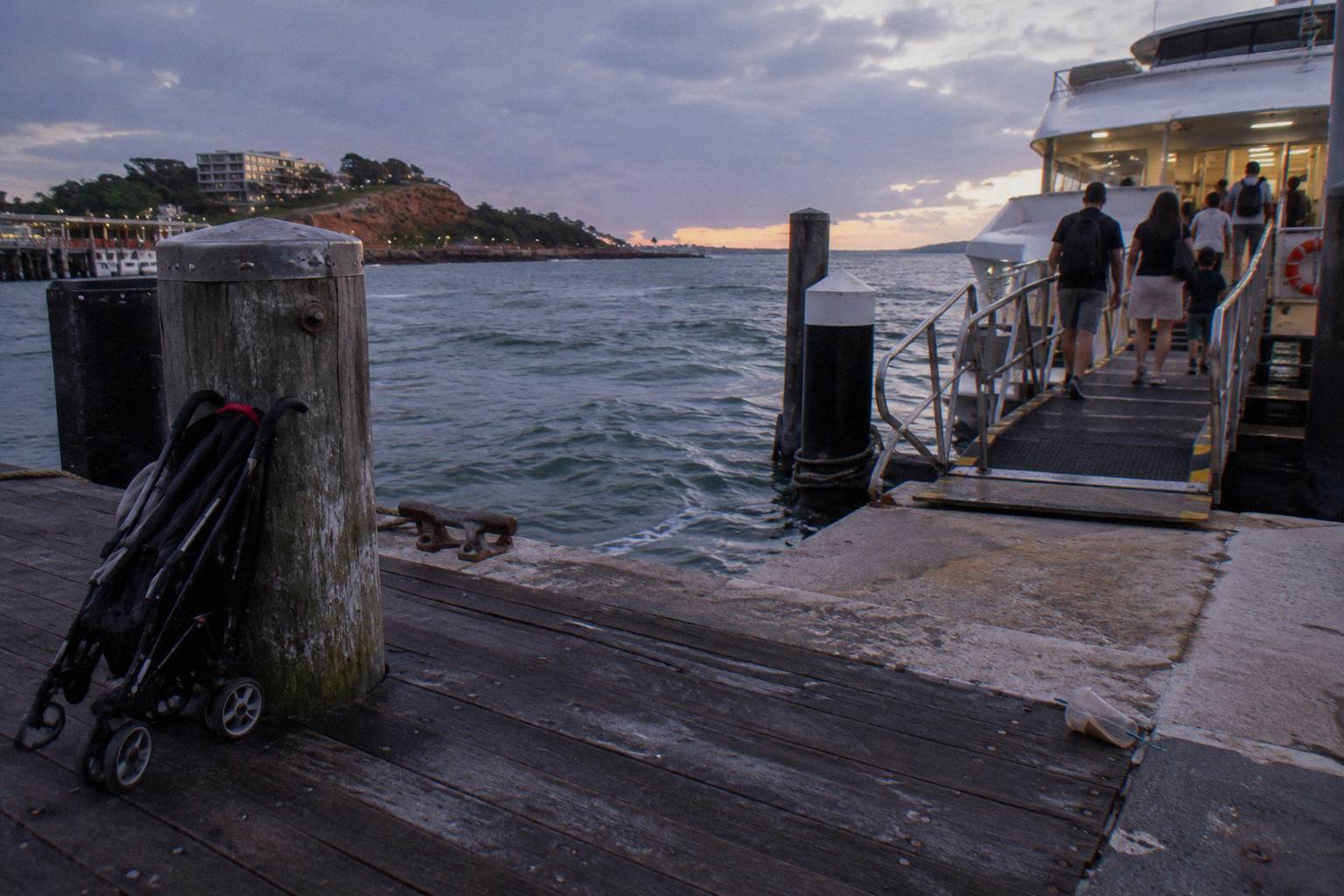
It is worth separating the two creatures that live in this conversation, because they get muddled. Crocodiles are the famous ones, and the advice about them is about where you swim, full stop. Box jellyfish are the ones with a season. NT Government advice says they are more likely in Northern Territory waters from 1 October to 1 June, NT Health advice says more likely from October to the end of May, and both note stings have been recorded in every month of the year. None of that changes an evening on a boat, because none of it reaches a passenger standing on a deck.
The stinger season does intersect with the tourist calendar in one way worth knowing: the months with the most rain and the most overcast evenings, roughly November to April reading the Bureau of Meteorology's long-term averages for Darwin Airport, are also the stinger months. The drier stretch, when rainfall averages under about 25 mm a month from May to September and clear days peak at 19.0 in August against 0.6 in January, is the peak of the cruise season. Cape Adieu states its dinner cruises run through the Dry season, April to October, with private charters by enquiry outside those months. Darwin Harbour Cruises and Sail Darwin state no season for their sunset cruises, check the booking page for current departures.
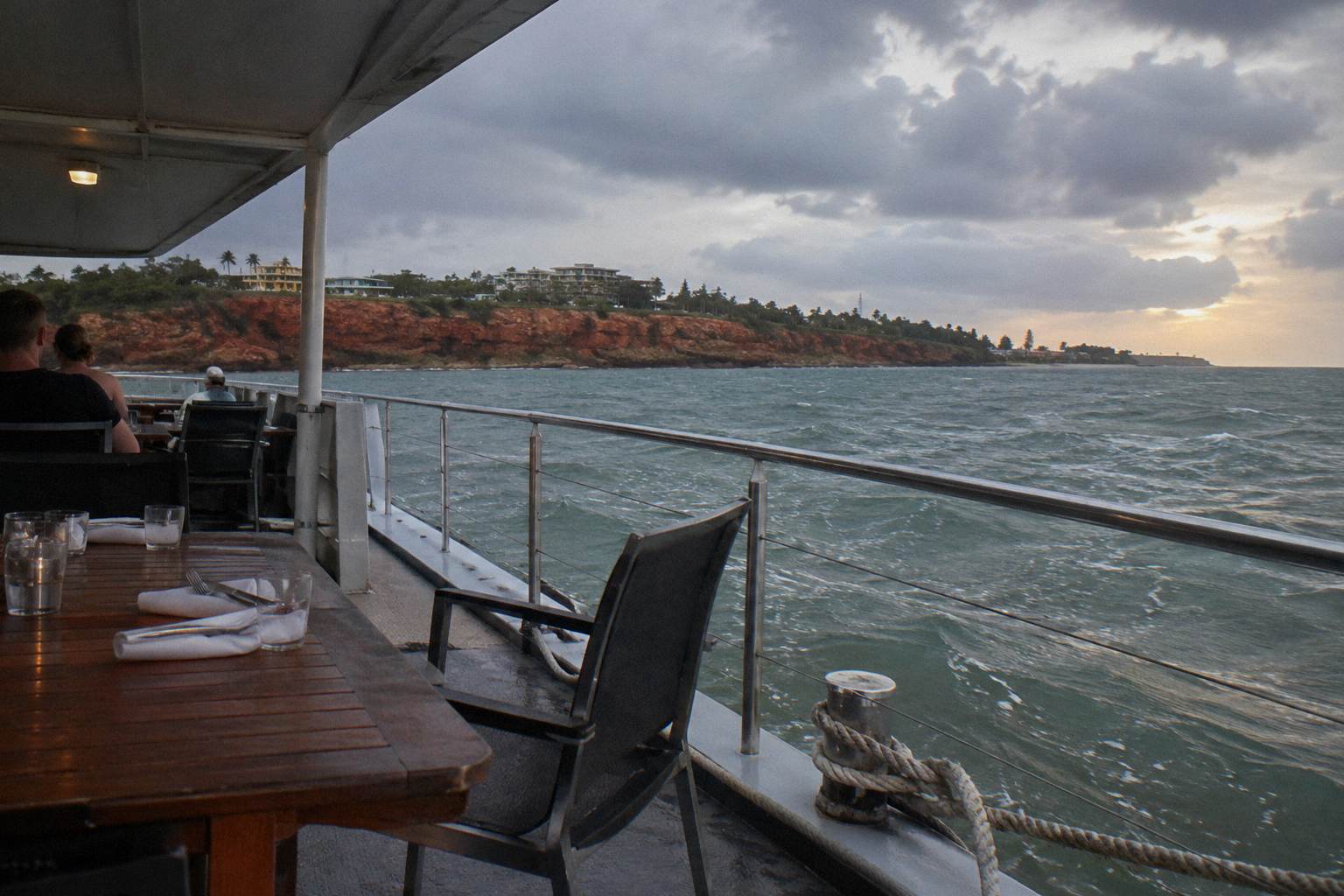
Accessibility is part of the same stay-on-board picture. Darwin Harbour Cruises states its vessels cannot take wheelchairs, scooters or walkers because of gangways and tides, with walking sticks fine and a capable companion needed for guests requiring support. Cape Adieu and Sail Darwin do not state their accessibility arrangements in the material verified here, so ask the operator before booking. Nobody publishes hotel pickup, and parking arrangements at Stokes Hill Wharf are not verified, so plan the arrival yourself.
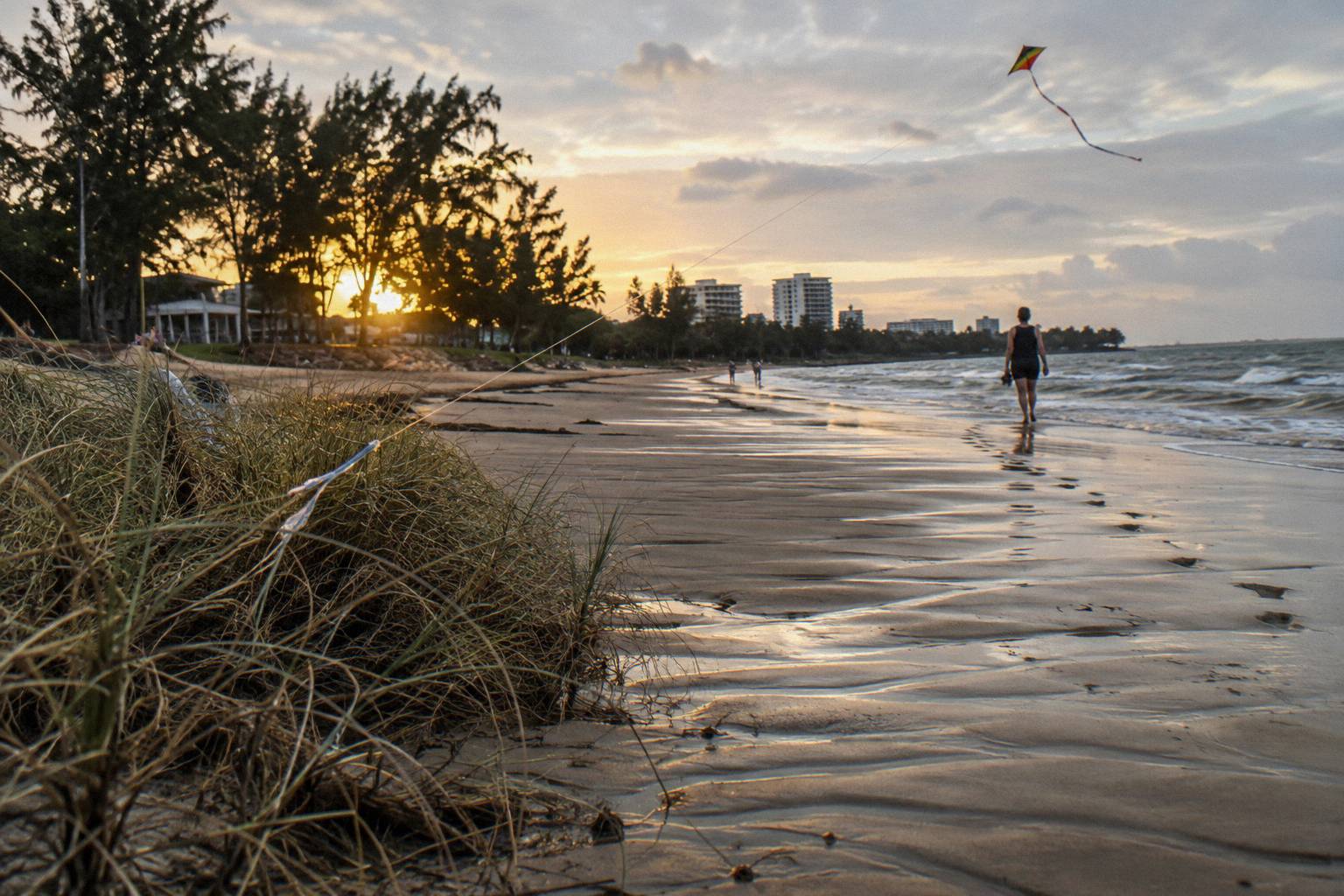
The one behaviour the official advice rules out completely is the impulse some travellers have on a warm harbour night: a swim off the back or a wade from the beach after the cruise. Do not. The exclusion-area instruction covers it, and the operators' own terms reinforce the frame. Sail Darwin, for instance, expects guests to arrive at least 15 minutes before departure and gives no refund for missing the boat, which tells you the whole enterprise runs on the wharf, not the water. Its full terms are on the operator's own terms page, and they are the version that applies to your ticket.
What Wildlife You Might Genuinely See At Dusk
That paragraph may feel like a letdown after the crocodile headlines, but it is the honest position. The Darwin operators this site lists, Cape Adieu, Darwin Harbour Cruises and Sail Darwin, make no wildlife claims in the material verified for this page. Their evenings are sold on the water, the light, the food and the boat. When a cruise company does describe animals, it does so carefully: the context operator City of Darwin Cruises calls dolphins, turtles, snubfin dolphin and dugong an opportunity to see on its harbour, explicitly with no guarantee, and that wording, opportunity, no guarantee, is exactly the register a truthful wildlife sentence needs.
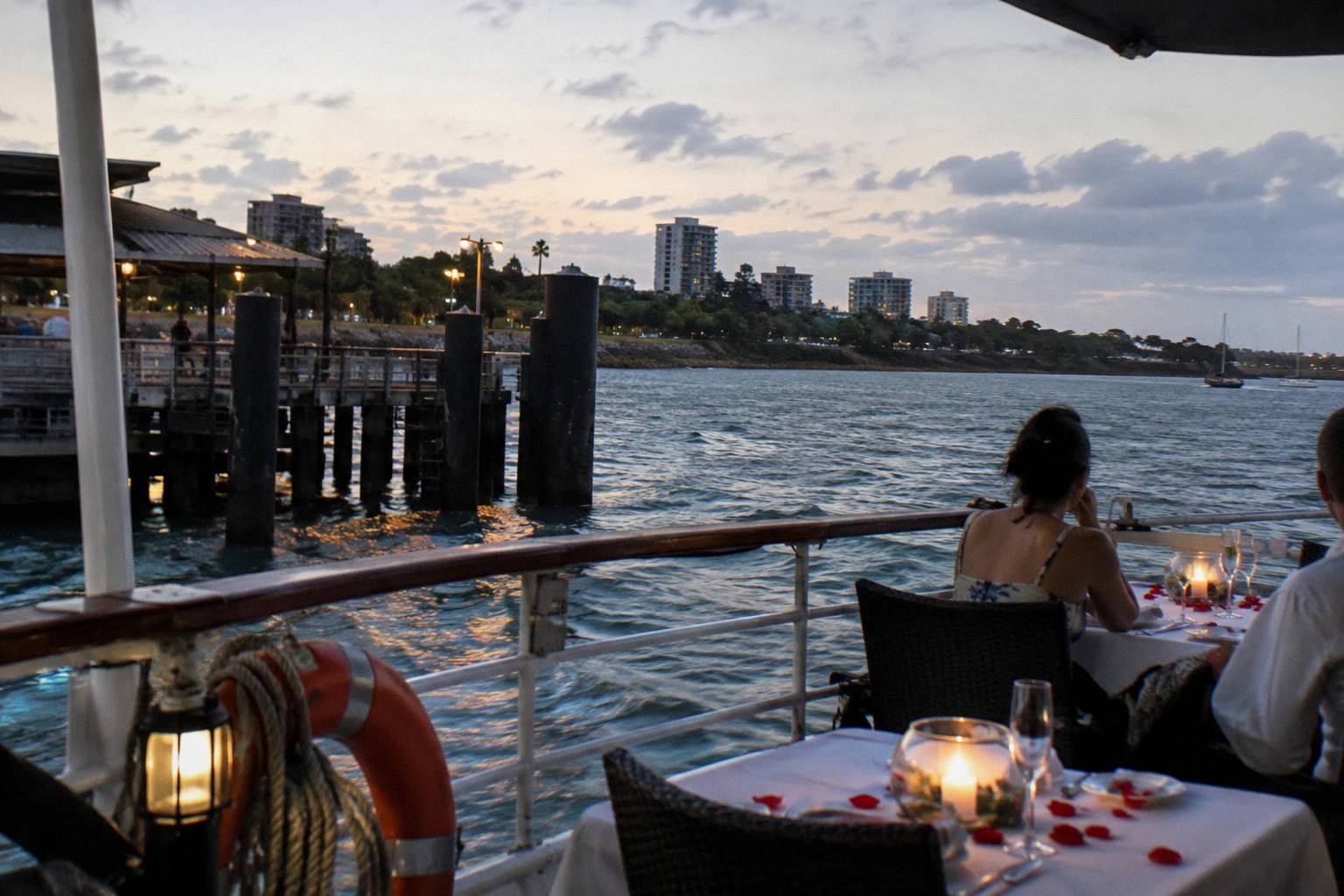
The batfish story is a good example of how specific these claims are. Spirit of Darwin Cruises, another context operator with no listing on this site, says batfish feed at the bow of its own cruises and that queenfish, trevally, barramundi and even sharks are seen on some of its tours. That is a statement about one company's boats. It does not transfer to the ketch at Dock 3 or the catamaran at Dock 1, and repeating it as a general Darwin fact would be inventing a promise nobody made.
So set expectations like this. You will see water, sky, the Esplanade stretch of the Charles Darwin route if you take that cruise, and whatever the harbour offers on the night, which on most evenings is birds, occasional surface movement and the lights of the city coming on. If a fin or a ripple turns out to be something more, it is a bonus, not the product you paid for. The operator's own FAQ page is the right place to read what the Charles Darwin evenings include, straight from the source.
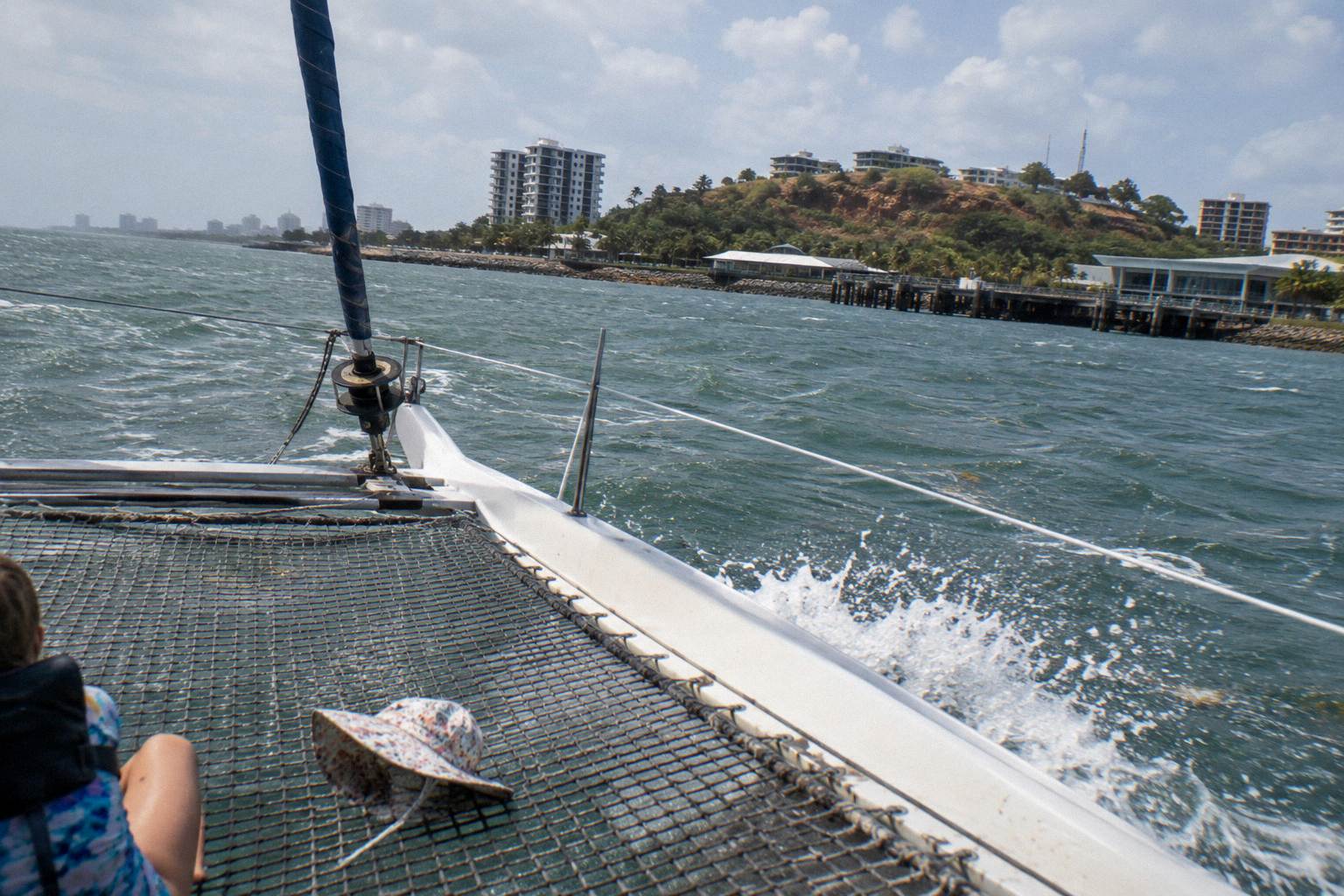
How To Choose A Cruise If The Water Makes You Nervous
Pick the vessel format that suits you, not the one with wildlife marketing, because none of these cruises sells animals. The ketch dinner runs about 2.5 hours from A$226, the buffet catamaran about 2 hours from A$149, the sailing catamaran about 3 hours, and the grazing cruise about 2 hours. All board at Stokes Hill Wharf and all keep you aboard the entire time.
Nervous travellers usually do better with the bigger, steadier formats, and the facts here support that instinct without needing to name a single animal. The Charles Darwin is a three-level catamaran with two air-conditioned indoor levels, so a guest who wants solid walls between themselves and the horizon can have them, and the operator describes the harbour as generally calm. The trade is format, not safety: the ketch offers a traditional timber-boat dinner, the sailing catamaran offers the longest evening at about 3 hours with dinner and sparkling wine named in its title.
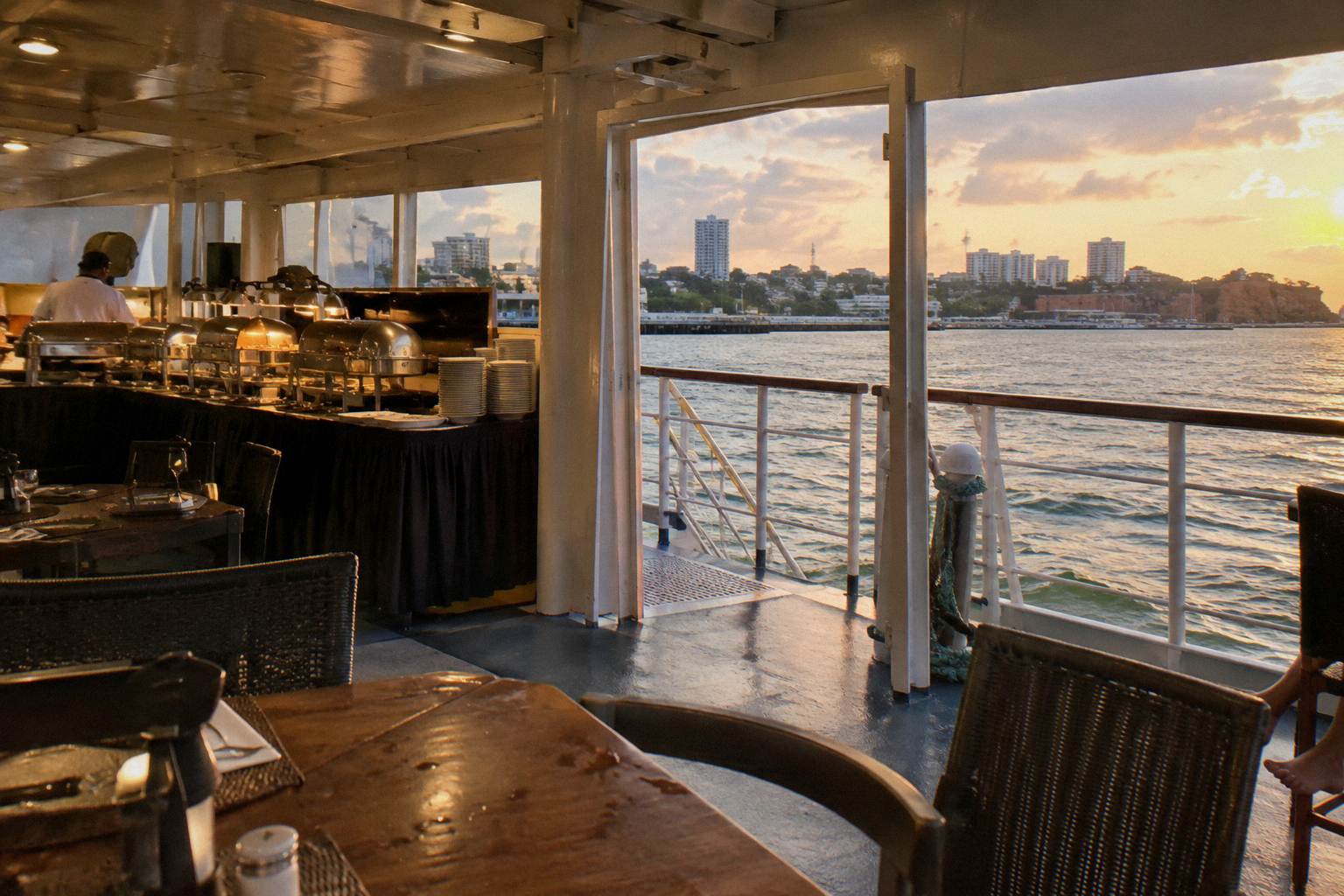
Cancellation terms deserve one honest look before you book, because they differ by operator and the buyer nervous about the water is often also nervous about the booking. Sail Darwin allows refunds and transfers up to 48 hours before departure, with no changes inside that window, and reschedules or refunds in full if fewer than 10 guests are booked or the captain calls the weather. Darwin Harbour Cruises and Cape Adieu do not state their cancellation windows in the verified material, check the booking page for the terms that apply to your ticket. Sail Darwin also asks that dietary and practical questions be raised early; Cape Adieu needs at least 48 hours' notice for dietary requests such as gluten-free, vegetarian and allergies. A fuller walk-through of how the Darwin dinner cruise options compare sits in the main guide on this site.
Families get a fair deal on the water too, if the question is really being asked on behalf of children. Darwin Harbour Cruises charges youth fares from A$89 for ages 4 to 17 with infants aged 0 to 3 free, and permits small strollers if you tell reservations. Cape Adieu welcomes families and asks for children's ages at booking. Sail Darwin requires under 18s to be accompanied by an adult. There is more detail in the site's piece on taking a sunset boat trip with kids, including what each operator says about ages and seating.
For the seated, full-dinner version of the evening, the ketch cruise remains the featured option on this page, and the box below checks availability against the operator's live listing.
The buffet format is the other natural pick for a first harbour evening, and it is the one with the friendliest family pricing of the cruises listed here.
Common Questions About Crocodiles In Darwin Harbour
Are There Crocodiles In Darwin Harbour?
Yes, Darwin is crocodile country. NT Government advice describes the harbour as a no-tolerance area for crocodiles, meaning animals found there are removed, and the standing advice is to swim only in signposted exclusion areas. No dinner cruise involves swimming, and the guidance is to stay aboard and not swim from the boat or the foreshore.
Is It Safe To Swim In Darwin Harbour?
The NT advice is to swim only in signposted exclusion areas, and this site will not call the open harbour safe or otherwise. Box jellyfish are more likely in NT waters from October to the end of May, with stings recorded in every month. The simple rule for cruise passengers: stay on the boat and follow NT Government advice.
Do The Dinner Cruises See Crocodiles?
No cruise operator claims any wildlife sighting, crocodiles included. The evenings are sold on the harbour, the sunset, the food and the vessel. Two context operators describe marine life on their own trips as an opportunity with no guarantee, but nothing like that is claimed for the cruises listed on this site.
Do The Boats Get Close To Shore Or Wildlife?
Darwin Harbour Cruises says its vessels stay within the harbour and that tides decide how close to the coast a cruise can go, with the skipper free to change the route. Sail Darwin's terms say all sailing is subject to suitable tides and weather. Neither statement is about wildlife; both are about how the harbour is navigated.
Which Cruise Is Best For A Nervous First-Timer?
The three-level Charles Darwin catamaran, with two air-conditioned indoor levels, is the most enclosed format among the cruises listed here, and its buffet dinner runs about 2 hours from A$149 adult, the operator's price. The ketch dinner and the sailing catamaran suit travellers happy with open decks. All board at Stokes Hill Wharf and none involves entering the water.